Strong product content is a competitive differentiator for B2B ecommerce, especially for manufacturers and distributors. For this reason, many M&D companies are investing months (sometimes years) and thousands of dollars getting the most crucial aspects of content creation right. Today’s customers expect easy to find, detailed product information at every stage of the buying cycle. In the face of enormous M&D catalogs and the need for sophisticated, personalized B2B buyer experiences, building this type of content and keeping it relevant is a Herculean task.
That’s why many commerce leaders are increasingly turning to AI content generators for help. With the right prompts and the right AI content creation tools, content can become a key growth driver, boosting search results, relevance, completeness—and buyer trust.
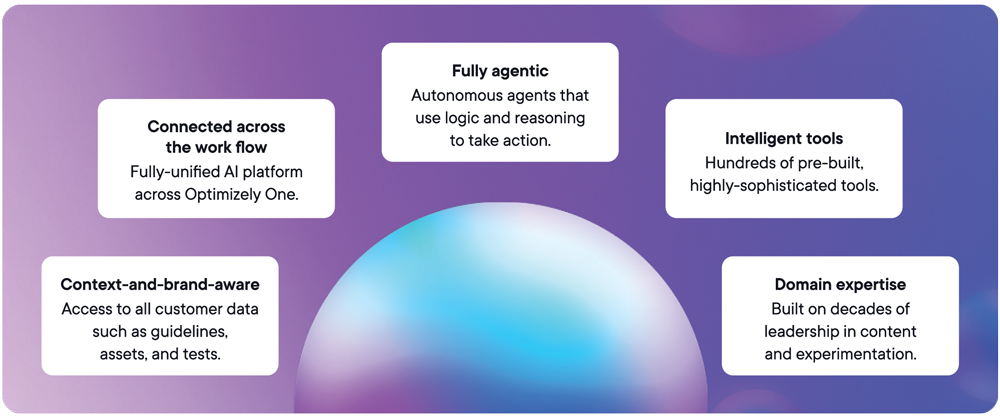
But the complexity of a strong B2B commerce experience means you can’t just choose any b2b AI writing tool. This is where Optimizely Opal changes the game. Opal can be implemented by manufacturers and distributors to help generate ecommerce product content that is relevant, compliant, AND scalable.
But AI-generated content is only as good as the prompts being used. In this article, the marketing experts at Optimizely offer up:
- The 6 proven elements of strong AI prompts for B2B
- 10 real-world examples of prompts that solve common product content challenges
- Why Optimizely Opal outperforms most generic tools like ChatGPT, Jasper, and Writer
But first, it’s critical to understand why AI is fast becoming a required component for building high-performance M&D ecommerce experiences.
Why AI matters in B2B product content
Using AI to generate ecommerce product content is not just about speed. With the right tool, AI- generated content can help overcome some of the toughest challenges facing B2B ecommerce teams today, including:
- Buyer engagement: Specific, relevant product content builds trust at every touchpoint in the B2B buying cycle. The right AI prompts can create benefit-driven copy, personalized recommendations and promotions, and complete, descriptive attributes that keep buyers coming back.
- Scalability: M&D catalogs can contain tens of thousands of SKUs, making it impossible to manually create and maintain consistent, complete content. When trained specifically on a company’s catalog, brand rules, and industry regulations, AI tools can generate strong prompts and content in minutes.
- Searchability: SEO-optimized copy dictates a product’s discoverability for busy B2B buyers. An AI tool designed for complex M&D catalogs can identify keywords and create optimized descriptions that boost visibility, without hours of research.
- Completeness: Missing important product details leads to frustrated buyers and abandoned carts. AI can identify gaps by comparing your catalog to competitors and build content to drive customers all the way through checkout.
- Global Capability: Entering new markets requires translation, localization and even some knowledge of cultural habits and preferences. AI can accelerate this work while matching brand tone, ensuring compliance, and building local SEO relevance.
What makes a good AI prompt?
If AI is the engine, prompts are the fuel. A vague instruction like “Write a product description” will produce equally generic copy. A well-structured prompt, on the other hand, can generate accurate, SEO-ready, and brand-compliant content.
The Optimizely team comes with decades of experience in B2B ecommerce and as a result has developed a set of 6 best practices that good B2B prompts must align with:
- Know the specific goal and task at hand to help define the exact output: Be sure to explain which measurement the content must deliver on to be considered successful.
- Understand the context: State where the content will be used, such as a product detail page or marketplace listing.
- Define the chosen audience: This helps create content that speaks to specific targeted buyers, from procurement managers, to engineers, or even end-users.
- Use the correct tone: Your content must align with brand guidelines while using a voice that delivers the desired goal, whether it’s technical, conversational, or persuasive.
- Specify formats: Do you need a set of simple bullets, a meta description, or longer copy that helps educate buyers? Make sure the AI tool understands how this content should appear.
- Acknowledge constraints: This might include set word counts, SEO requirements, compliance rules and regulatory parameters.
Granted, you could use these best practices to write your own prompts manually, but it would be quite a chore. With generic AI tools, it can be a frustrating endeavor to include them in every prompt.
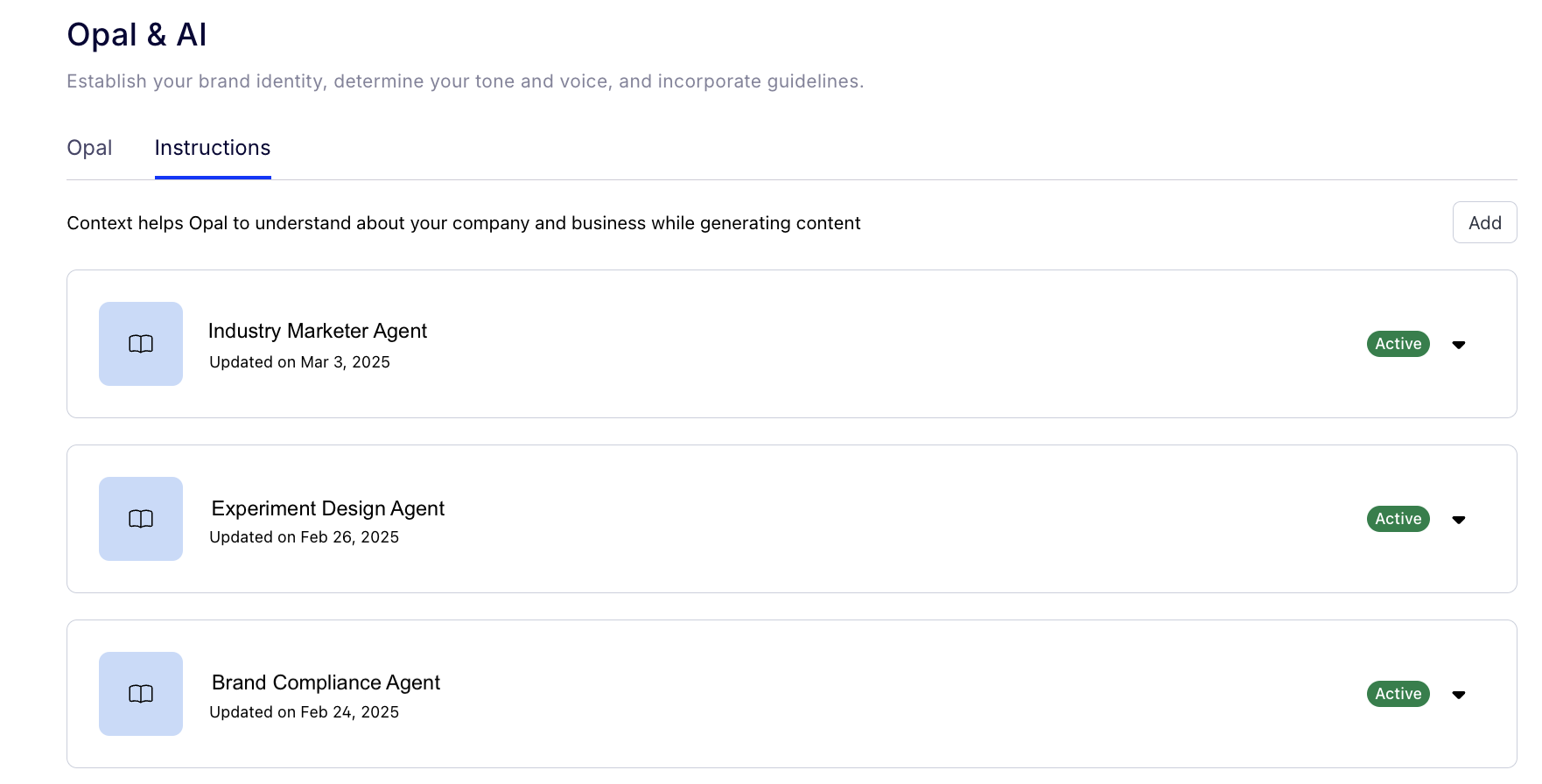
With Opal, however, teams don’t need to repeat themselves every time. Tools like brand guidelines, tone and voice, specifications, compliance requirements and the more are configured once (see below). Applied automatically, they ensure every output aligns with business needs so your team can focus on more important tasks.
 10 AI prompt examples