Commerce is essential to the global economy. It encompasses everything related to the buying and selling of goods and services at both the wholesale and retail levels.
Key takeaways
- Commerce involves the exchange of goods and services, often for a profit
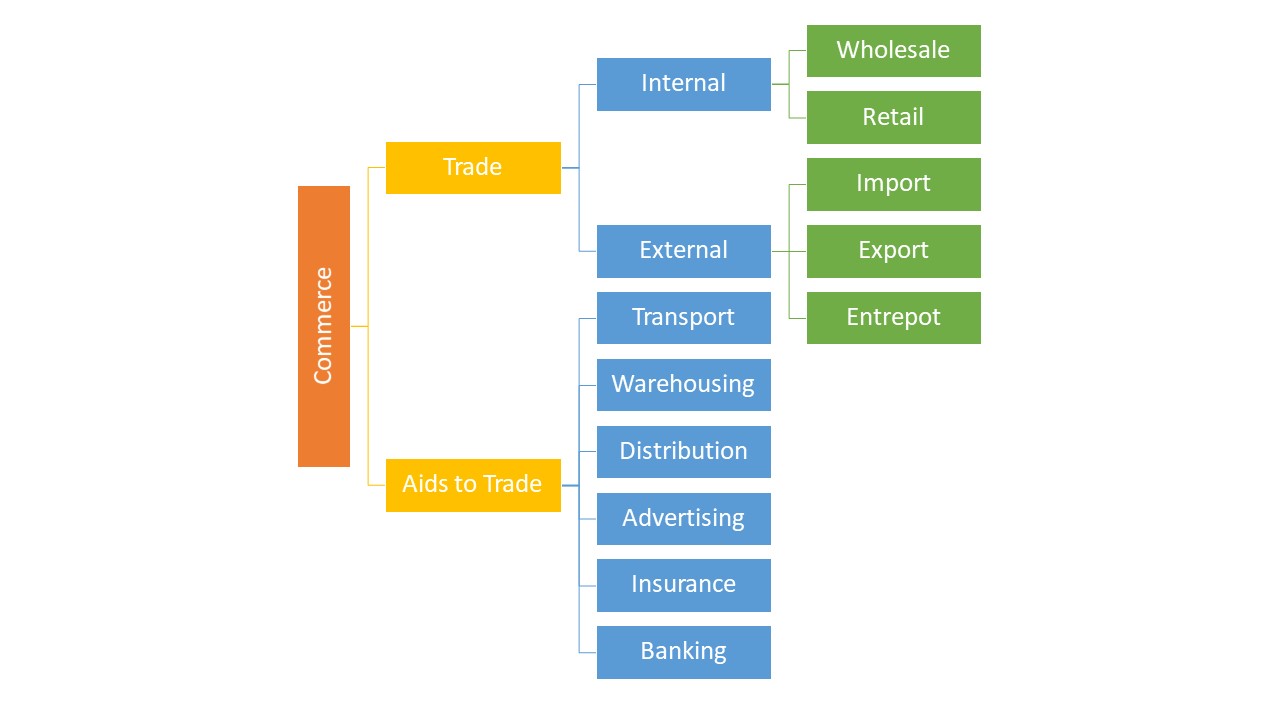
- There are two branches of commerce – trade, and aids to trade
- Trade can be either internal (within a country’s borders) or external (between countries)
- Aids to trade include transport, warehousing, distribution, advertising, insurance and banking
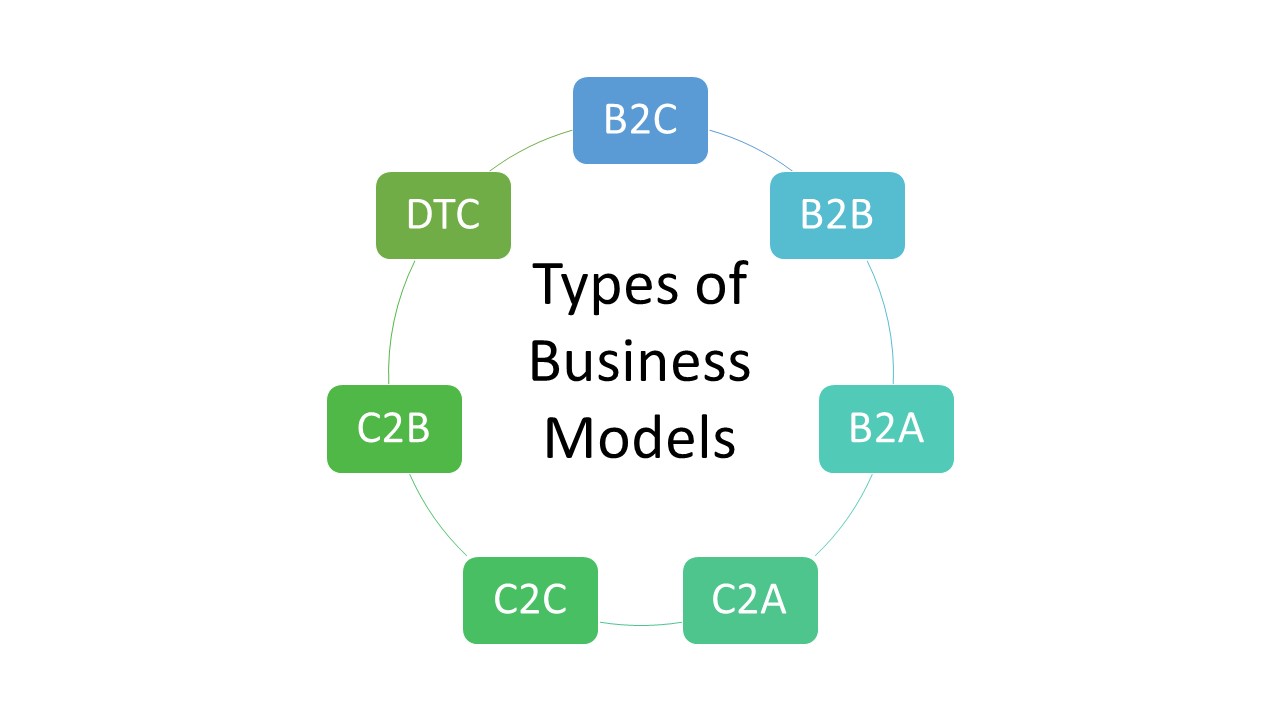
- There are seven primary commerce business models: B2C, B2B, B2A, C2A, C2C, C2B and DTC
Defining commerce
Commerce is defined as the exchange of goods and services between two or more entities. It typically involves buying and selling things of value. Commerce can take place between businesses, between consumers, or between businesses and consumers.
Commerce involves an exchange of value and often generates a profit for one of the parties involved. It also includes services provided by companies and other organizations that facilitate the commerce exchange.
Commerce is important to our society in five essential ways:
- Commerce satisfies individual wants and needs
- Commerce links producers and consumers
- Commerce increases the standard of living
- Commerce creates employment opportunities
- Commerce generates profits
Know that commerce is not the same thing as business – it’s a subset of what we call business. Commerce also involves the distribution of goods produced by manufacturers, leaving out the manufacturing or production processes.
Branches of commerce
There are two branches of commerce – trade, and everything that aids trade. Within each branch are several sub-branches that define each one.