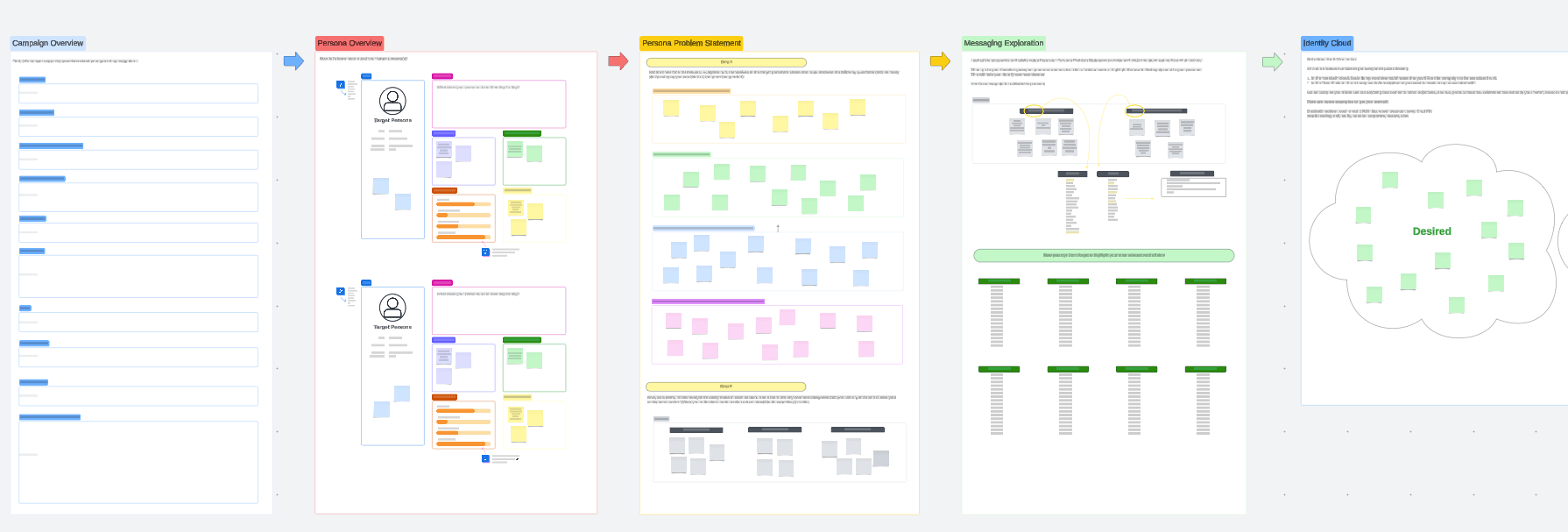
Picture this: You’re sitting in a room with a blank whiteboard, armed with nothing but your imagination and a bunch of colored markers, ready to create something big, bold and mind-blowing.
... or, maybe not so ready. It’s okay, guys – you’re in a safe space, we can admit our imaginations aren’t always on their A-game. Creative burnout be real.
Either way, it’s time to start with your marketing campaign brainstorming session.
Why? Because brainstorming inspires new ideas, pushes the B2Boooooring marketing boundaries, collaboration in your team, and makes things a little more fun.
Let’s run through the step-by-step process of how to brainstorm a creative marketing campaign – whether that’s with a virtual whiteboard or in the office (with your wide array of pens).
If you’re in a pinch for time, skip straight to getting your free creative brainstorming template.
Before you start brainstorming
Let’s start with a little bit of housekeeping before you start brainstorming for your next creative marketing campaign... because no one likes a meeting without the “meat” (sorry, vegans).
Make all meetings and brainstorming sessions worth everyone’s while by having the foundations set, so relevant creativity can flourish. 🌸
Step #1: Know your audience
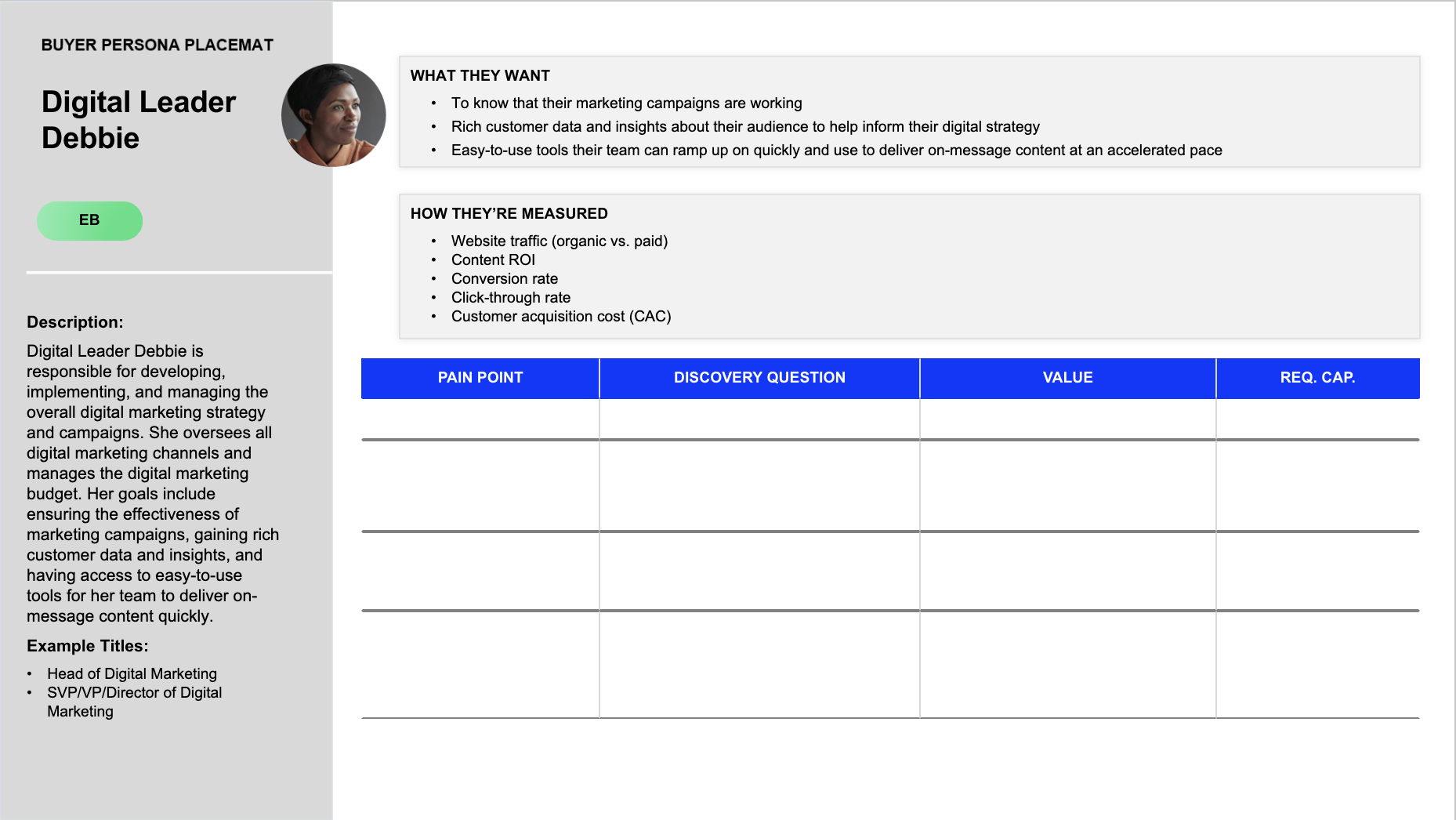
The best way to find a creative campaign idea that *actually* works is to know your audience really, really well. You need demographic data, but you also you need to understand what their lives are like and how your product fits into it.
As storytelling expert Jonah Sachs says, “Good marketers see consumers as complete human beings with all the dimensions real people have.”
Taking a look at the B2B world specifically, you can start to really know your audience by answering these questions:
- How do your buyers/users measure their success?
- What gets in the way of them achieving their goals?
- What do they love about what they do? What’s difficult about it?
In other words: what’s going to stop your customer from getting their bonus this year?
And for B2C, similar... just less ‘success’ metrics, and more revolved around pain points or other user benefits. Turn your offering from something they didn’t know about before into a omg-I-need-this-right-now.
Always think about these things as if you’re in their shoes. To dive deeper into those (ideally, not smelly) shoes, you should make the most of the teams you have around you by talking to:
- Sales: Hear about the prospects and leads they are talking to, along with the pain points that lead to these conversations
- Account managers: With close relationships to accounts, you can hear what they’re looking for in a product and in content – and help with retention, upsells and nurture
- Customer success: Identify gaps in your content and come up with content ideas to help solve problems or engage clients
- Product marketing: No one understands brand messaging and positioning quite like product marketing – make sure each stage of the funnel is filled with relevant content
Once you complete this step, you will probably have some ideas flying around your head already.