Aber Moment mal …
In einer aktuellen Studie von Optimizely, für die Führungskräfte aus Marketing, E-Commerce und IT weltweit befragt wurden, gaben nur 26 % der Befragten an, unternehmensweit eine einheitliche Definition von Personalisierung zu haben.
Woran liegt das? Entweder haben drei Viertel der Führungskräfte noch nie von Google (oder einem der vielen Wörterbücher, die Google regelmäßig in Suchanfragen zitiert) gehört, oder es steckt etwas anderes dahinter.
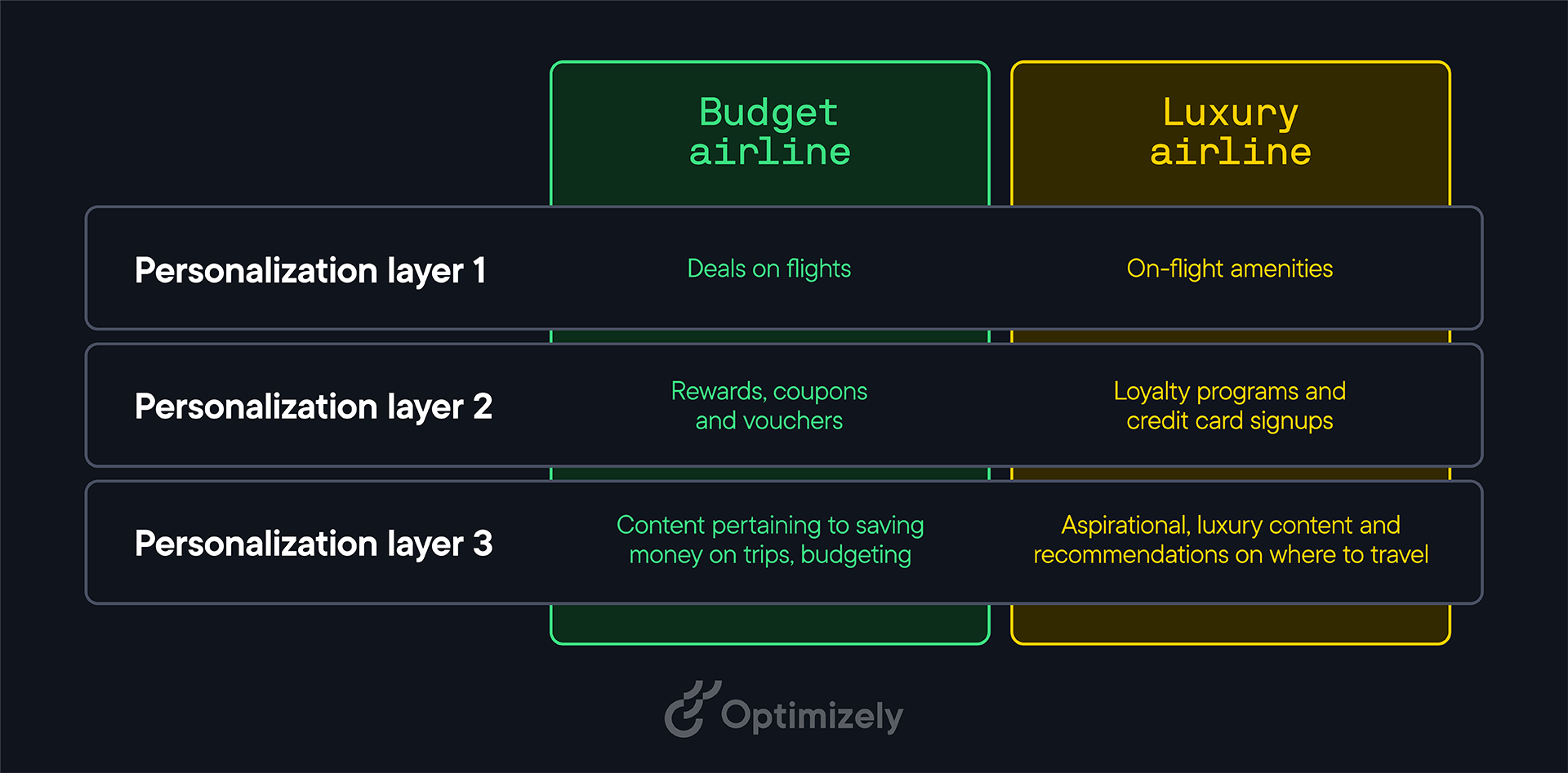
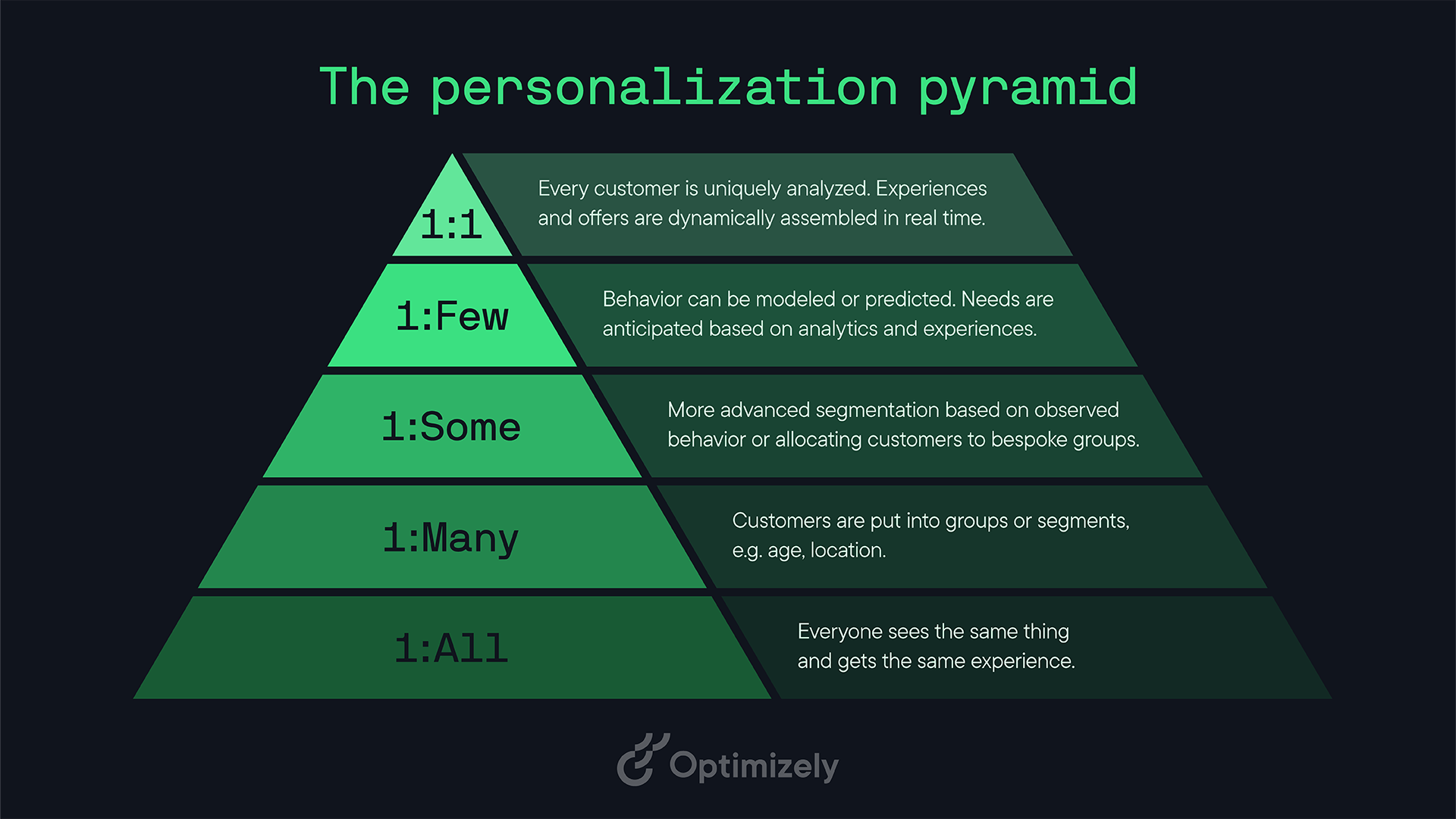
Tatsächlich ist Personalisierung ein komplexes und schwer zu definierendes Konzept. Es hängt stark davon ab, wer die Personalisierung vornimmt und für wen. Personalisierung ist von vielen verschiedenen Faktoren abhängig, wodurch jeder Anwendungsfall einzigartig ist. Sie erfordert Teamarbeit und das harmonische Zusammenspiel verschiedener Kompetenzen, um die gewünschten Ergebnisse zu erzielen. Um eine effektive Strategie zu entwickeln, muss man jedoch wissen, was man tut (wir präsentieren hier unsere Expertise). Aber zunächst: Was ist Personalisierung überhaupt?