Remember when businesses redesigned websites based on executive preferences? Or launched features because competitors were doing it?
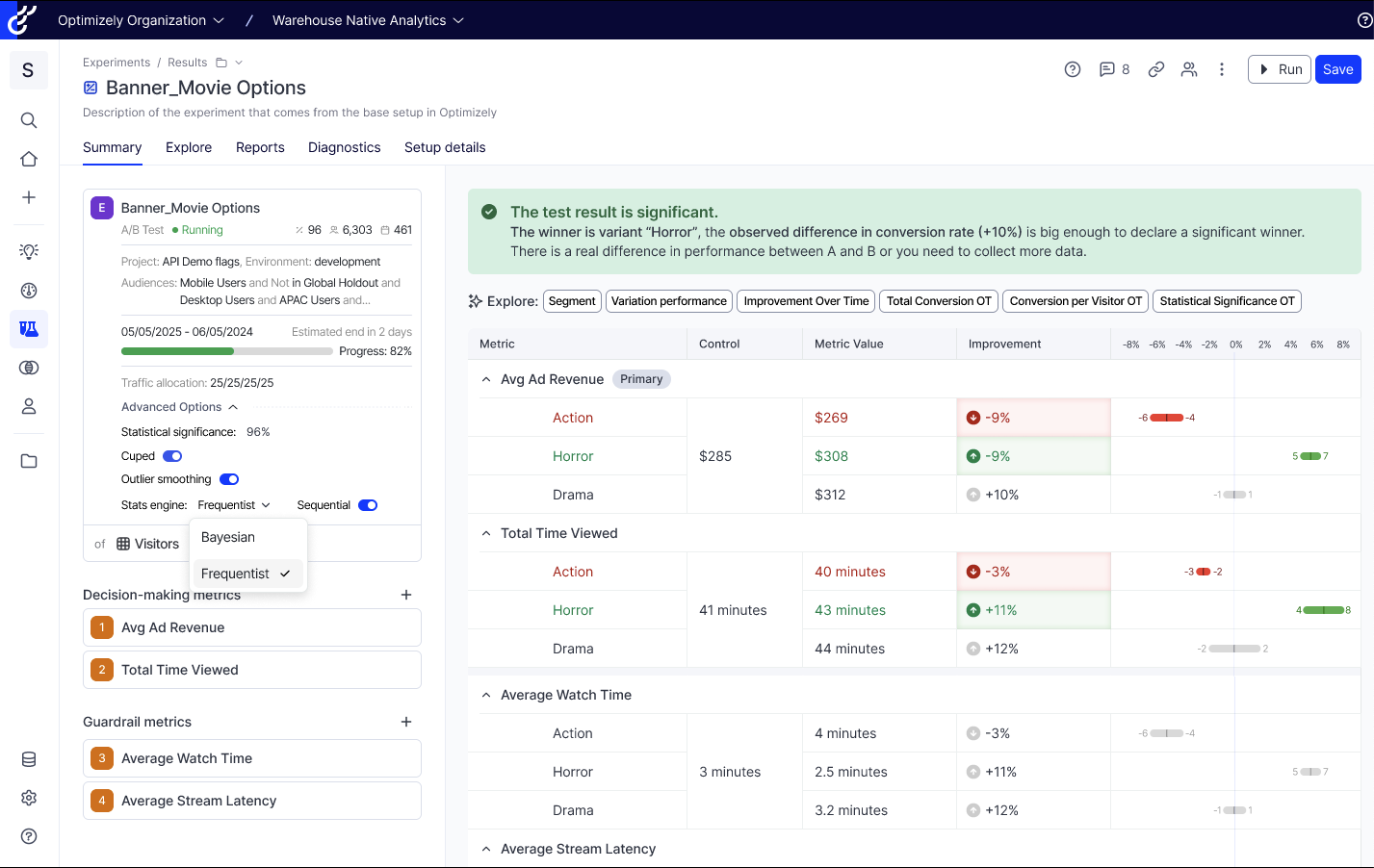
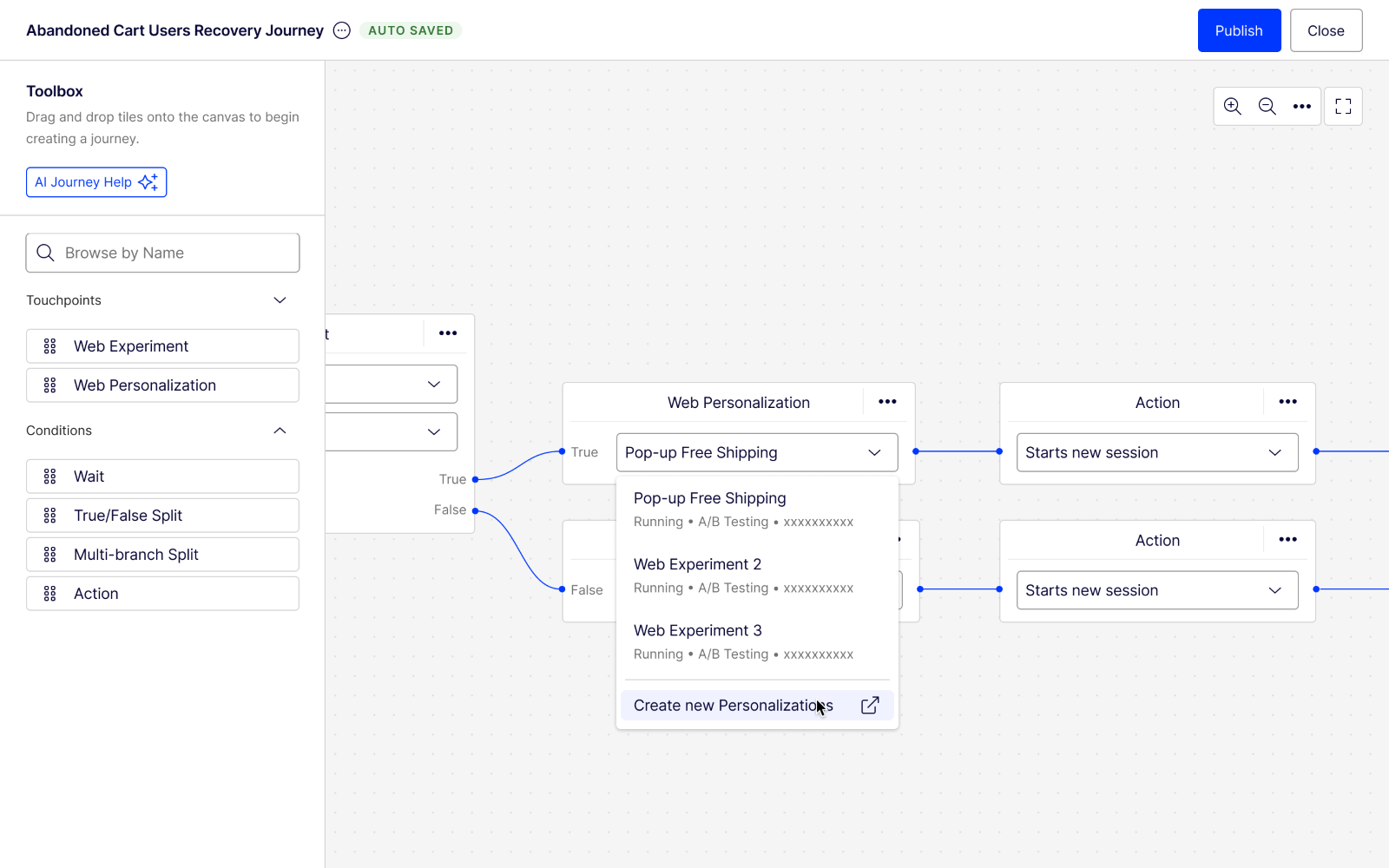
Those days are fading. Companies have discovered that systematic experimentation beats gut feelings. Since 2018, we've seen a 131% increase in experiments, starting from simple A/B tests to now intricate, data-driven optimization including server-side testing, personalization campaigns, and even ML-driven optimization methods such as multi-armed bandits.
What was once limited to tech giants like Amazon and Netflix is now mainstream. With over 75% of customers expecting optimized, personalized experiences, companies across industries are transforming their approach. The era of "I think" has given way to the power of "I can test it"
The future of digital experience optimization will be defined by three core components: speed, intelligence, and adaptability.
Organizations that thrive won’t just be those who experiment but those that seamlessly integrate personalization, experimentation, analytics and AI into their decision-making processes.
Sathya Narayanan, Director, Product Management on the future of digital experience optimization.
The five key challenges in scaling digital experience optimization and how the next gen platform can help
As the scale, velocity, and complexity of the world’s fastest-growing digitally mature companies continue to rise, these programs must address five key challenges:
1. Aligning teams to collaborate across disjointed workflows and tools
A 2024 Gartner survey of nearly 18,000 employees found that only 29% are satisfied with workplace collaboration. Further analysis found that employees who are satisfied with collaboration tend to be stronger performers.
Today’s best experimentation teams demand structure over improvisation—formalized processes to intake ideas, draft hypotheses, design experiments, and review content before launch. Without a centralized workflow to collaborate, innovative ideas risk getting lost in endless meetings and ad hoc communications.
Shift to: A centralized, collaborative workflow in one system of record
Modern optimization requires capturing ideas from everyone, not just executives. A structured intake process helps teams collect, manage, and prioritize opportunities with genuine impact potential.
Teams collaborate in a dedicated workspace with shared briefs, designs, comments, and assignments. Version history and approval tracking keep everyone aligned while designers work with their preferred tools.
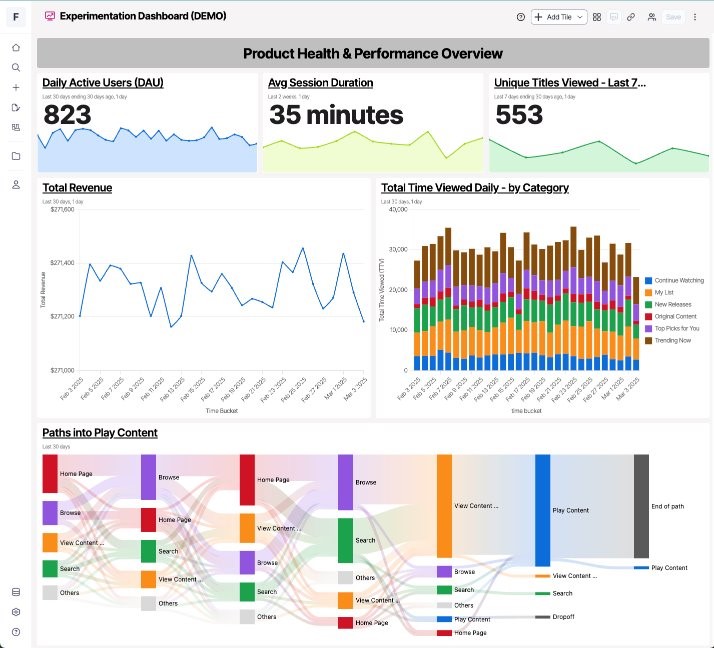
Leadership stays informed through unified program views showing all optimizations in sprints or Kanban boards, with clean calendar and list layouts providing visibility at a glance.
2. Scaling optimization efforts with limited resources
Successful experimentation requires collaboration across product, marketing, engineering, and data science teams. However, development and data science expertise are scarce resources that often bottleneck optimization efforts.
The role of developers
Developers build test variants and ensure safe releases through feature flags and progressive rollouts. Our analysis of 127,000 experiments shows optimal impact at 1-10 annual tests per developer, dropping 87% beyond 30 tests.
Complex changes with significant UI impacts or server-side adjustments must follow the SDLC, often taking weeks for review and testing. This necessary rigor slows teams seeking to run simple tests (copy changes, banners, image swaps).
Shift to: Empower PMs and Marketers to optimize with developer-approved guardrails
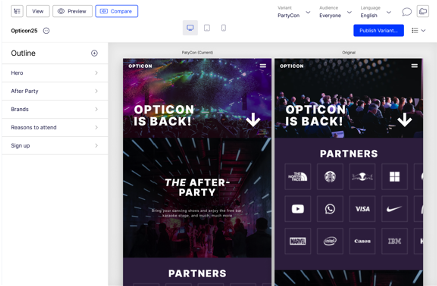
We believe that experimentation should be democratized to all. For simple, low-code changes, your optimization platform should allow you to make copy, image, color, messaging, or layout changes either via a visual editor or via your CMS of choice.