Beyond the marketing fluff: How gamification creates real engagement
Audiences today are skeptical... and by sceptical we mean immune to brand promises. They (including ourselves) can see right through marketing fluff. And uh oh, AI has only fueled the fatigue, making it pretty darn obvious that every brand claims to be 'the fastest', 'the most innovative', or 'the best'.
Gamification flips the script. Instead of telling people why you're different (all too often through empty words), it lets them experience it. It shows them through interaction and more engaging, more personalized user experience.
A quiz, challenge, a progress bar—these don't make claims, they create moments instead. And moments are much harder to dismiss than marketing copy featuring claims they've almost definitely heard 308483 times before.
Your users go from passive scrollers to active participants. Less of the "yeah yeah yeah"s and eye-rolls, and more engagement, conversions, and customer retention.
For real: brands that add gamified elements (quizzes, polls, and calculators) report a 48% lift in engagement and a 22% boost in customer retention.
🤓 TL;DR? In a world where fluffy marketing promises blur together, gamification makes experience the differentiator.
Brands that turn play into loyalty with gamification
Gamification isn’t a theory—it’s already being used by a bunch of brands across different industries to drive deeper engagement from their audiences. Here are some standouts for ya:
-
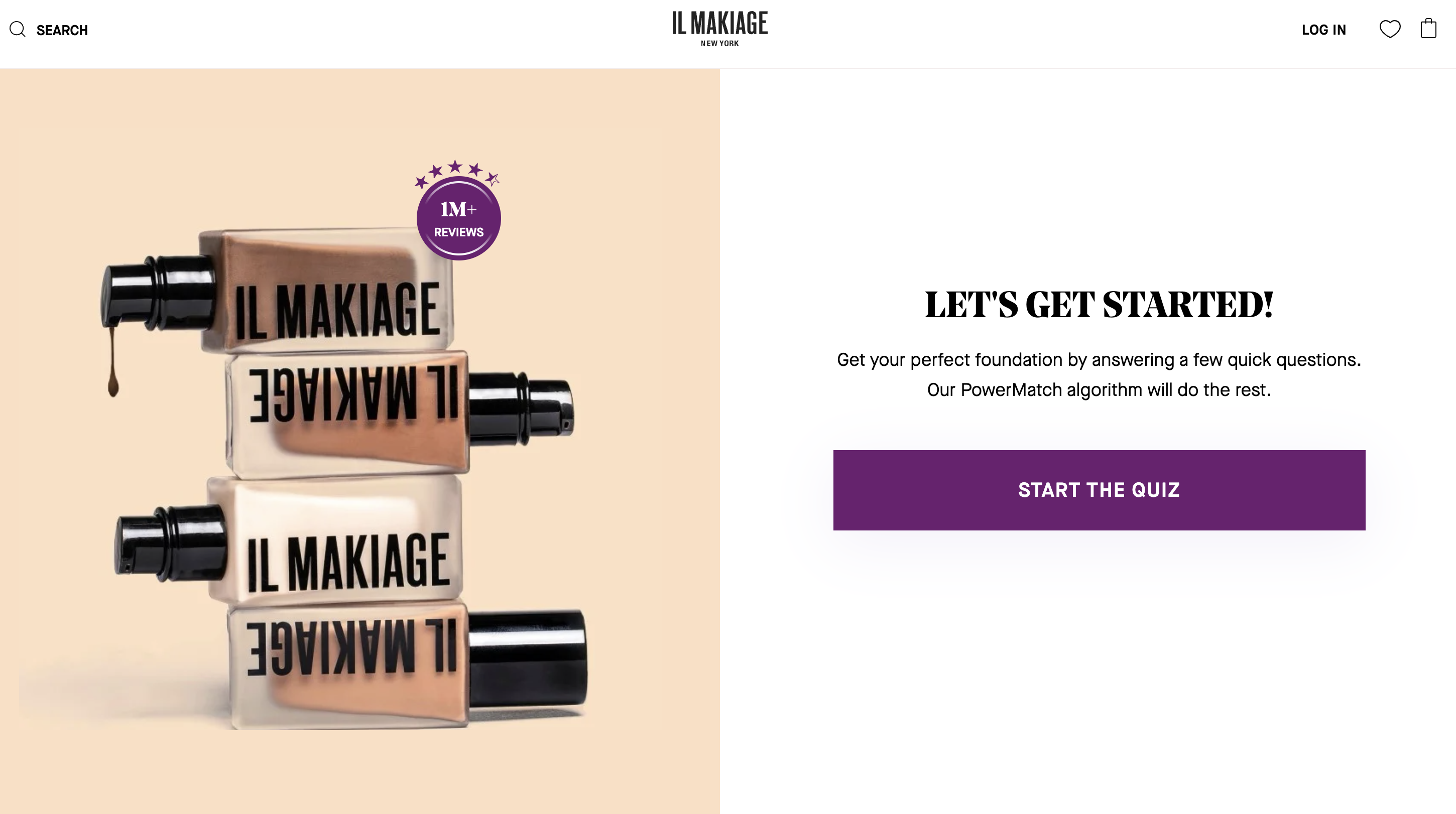
Il Makiage: Discovery as a game
As many of you know, buying makeup online is no easy battle—but buying online is the new norm. Il Makiage took on the challenge with a heavy layer of gamification.
Enter: the Find Your Foundation Match quiz.
The genius? It feels less like filling out a form and more like unlocking a secret code to your perfect product. Unlike AI search tools, which simply recommend 'the best foundation', Il Makiage makes the discovery process itself engaging—building trust and stickiness along the way.
-
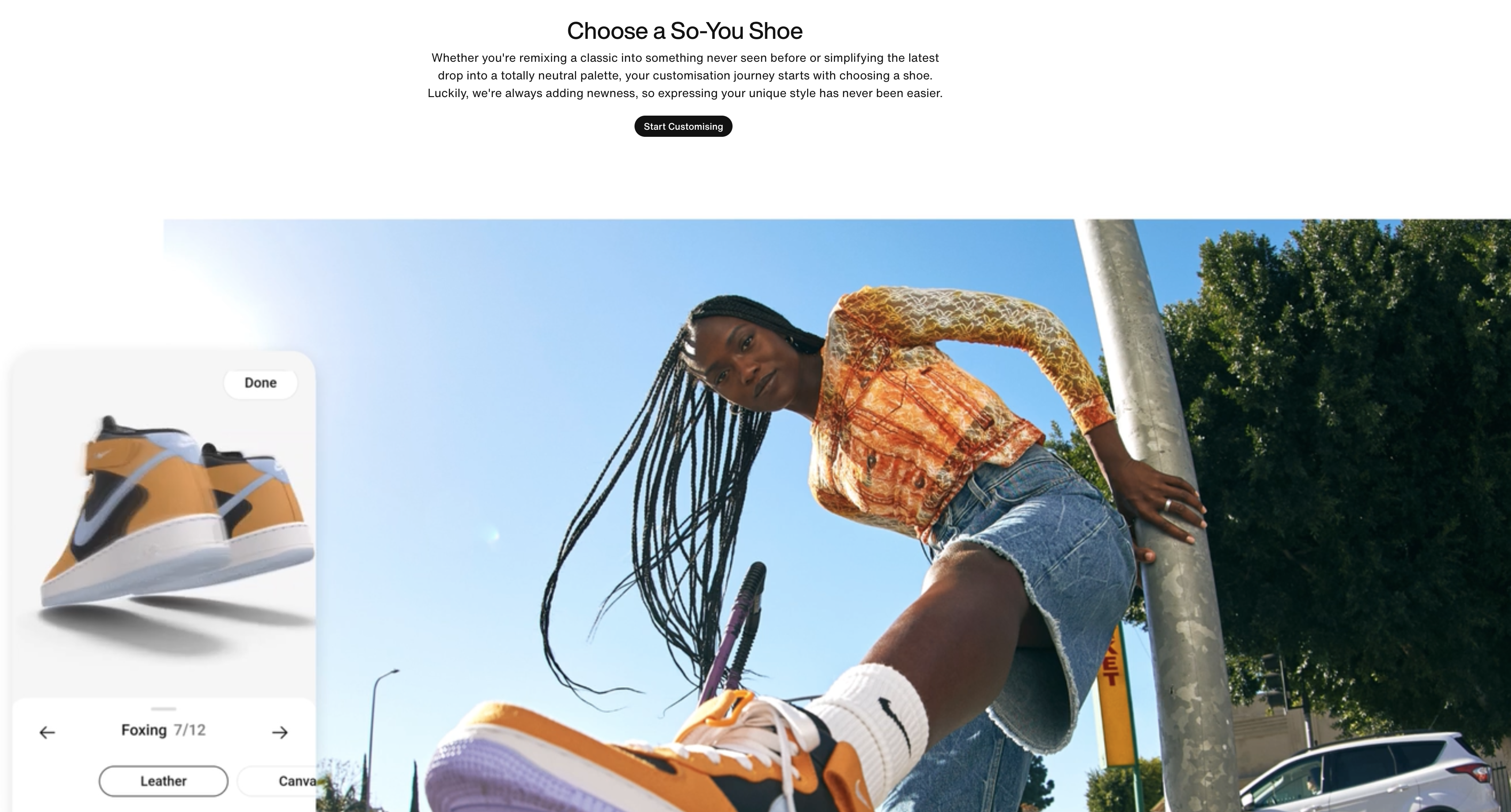
Nike By You: Customization as play
Nike By You lets customers design their own sneakers from scratch—colors, textures, details. This isn’t just customization; it’s gamified creation. And you, my friends, are the creators. Customers spend 2–3x longer on these interactive configurators than on standard product pages.
The result? A deeper emotional connection. When a customer designs their own shoe, they’re no longer just buying a product—they’re buying into the experience of creation. AI might recommend 'the best sneakers', but it can’t replicate that sense of ownership.
-
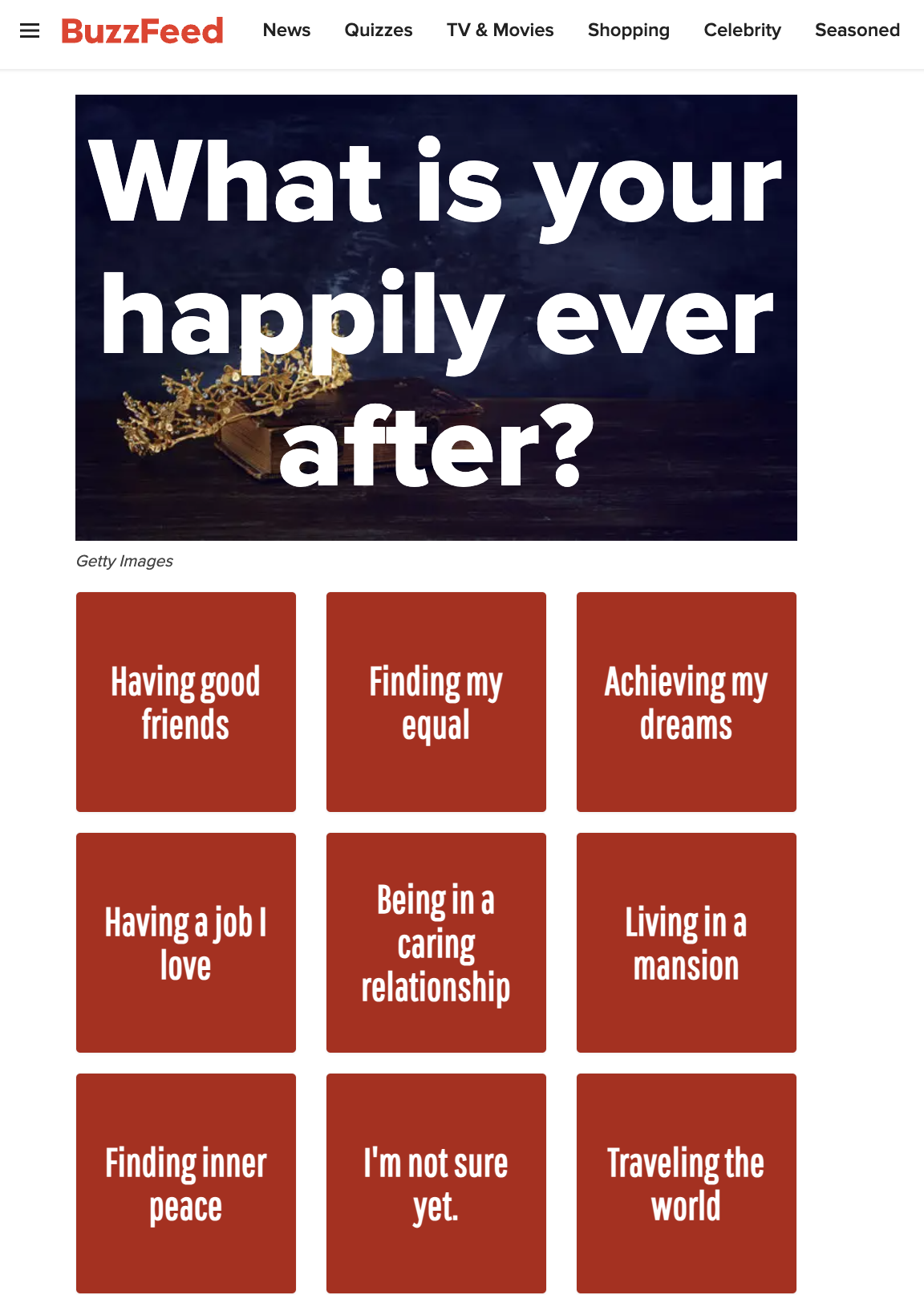
Buzzfeed quizzes: Content that gets clicks
Who DOESN'T want to know what Disney princess they are? Buzzfeed built its empire on turning this kind of curiosity into a game; and while these quizzes are simple, boy, are they sticky.
They transform passive scrolling into active participation—and even in an AI-saturated content landscape, people can't resist quick quiz or learning more about themselves... even if they don't get the Disney princess they want (😢).
-
Domino's: Progress made fun
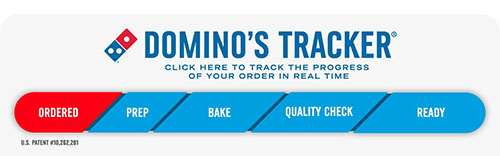
Let's be honest: ordering pizza is never boring because there's (almost) always a delicious pizza at the end of the rainbow. But Domino's took that happy place for pizza-lovers, and made it even more playful with their Pizza Tracker.
This turns impatiently waiting for a delivery into a mini-event, complete with progress bars, animations, and real-time updates. People love to see progress.
Together, these show how gamification builds connection across industries. The secret? Personalisation and that ‘just for you’ feel.
Other examples of gamification you can play around with
Not every brand has the budget of Nike or L’Oréal—but the good news is, you don’t need to. Gamification doesn’t have to mean elaborate AR tools or custom sneaker builders. Sometimes the smallest tweaks can transform a passive visitor into an engaged participant.
Here are a few tried-and-true methods any marketing leader can test:
-
Urgency cues that feel like a game (...or the Hunger Games): Nothing hits quite like a "Hurry! 14 people are looking at this product right now" or "Only 3 left in stock"
-
Countdowns and reveals: Timers for product drops, event registrations, or campaign launches play on everyone's psychology and FOMO
-
Points and tiers: Loyalty programs where customers earn points, unlock badges, or level up through tiers.
-
Quizzes and assessments: Not just for the beauty brands—B2B sites can run diagnostics (“What kind of marketer are you?”) or self-assessments that lead to tailored recommendations
-
Interactive content over static: Polls, calculators, configurators, or even simple sliders AKA things AI tools can't do just yet
Gamification doesn’t have to be flashy to work. What matters is creating a sense of progress, discovery, or exclusivity—the kinds of experiences that AI can’t replicate with a standard Top 10 list.
AI vs gamification: AI finds the best, gamification makes them come back
Marketers frame AI and gamification as either/or situation—but that's where you'd be wrong. In reality, they complement each other real well: