What separates real platforms from polished demos
A quick scan of what to look for. The deep dive on each follows below.
- Data integration: Native reads from Snowflake, BigQuery, Databricks, and Redshift in real time. No exports, no nightly batches.
- Full journey coverage: Rules, AI-surfaced audiences, contextual bandits, and A/B testing all running on the same platform, on the same data.
- AI that's part of the workflow: Surfacing audiences, generating variants in your brand voice, summarizing results in plain language. Not bolted on after the fact.
- Proof, not proxies: Automatic holdbacks, a stats engine that holds up to scrutiny, and warehouse-native analytics tying personalization to revenue.
- Per-visitor decisioning: Traffic allocated to the best-performing variation per visitor in real time, without a rule for every case.
The question to ask every vendor:
Can this platform meet my program's needs today and grow with us as we mature?
If the answer is "we focus on the top of the pyramid" or "we focus on the base," the platform is going to fight you within a few months.
Here are the capabilities you should evaluate:
1. Holdbacks and a stats engine that prove lift
What to look for: Automated holdbacks run against every personalized experience, so a control group is always reserved. Global holdouts measure cumulative program impact across all your personalization efforts. Both run without anyone having to set them up test by test. A stats engine with sequential testing and CUPED sits underneath, so when finance asks how the lift was calculated, you have an answer that holds up.
Ask the vendor: “Show me where the lift number comes from.” Draw the line from a personalized experience to the holdback that controlled for it to the warehouse table where the business metric lives.
Example: Brooks Running was losing revenue to sizing returns. After personalizing fit recommendations against their return data, the targeted segment saw an 80% reduction.
2. Warehouse-native analytics
What to look for: Native integration with Snowflake, BigQuery, Databricks, and Redshift. The platform reads from the warehouse directly, in real time, without exports or nightly batches. Any business metric in the warehouse can be tied to any personalization, including metrics the platform itself never recorded (subscription renewals, post-purchase retention, lifetime value).
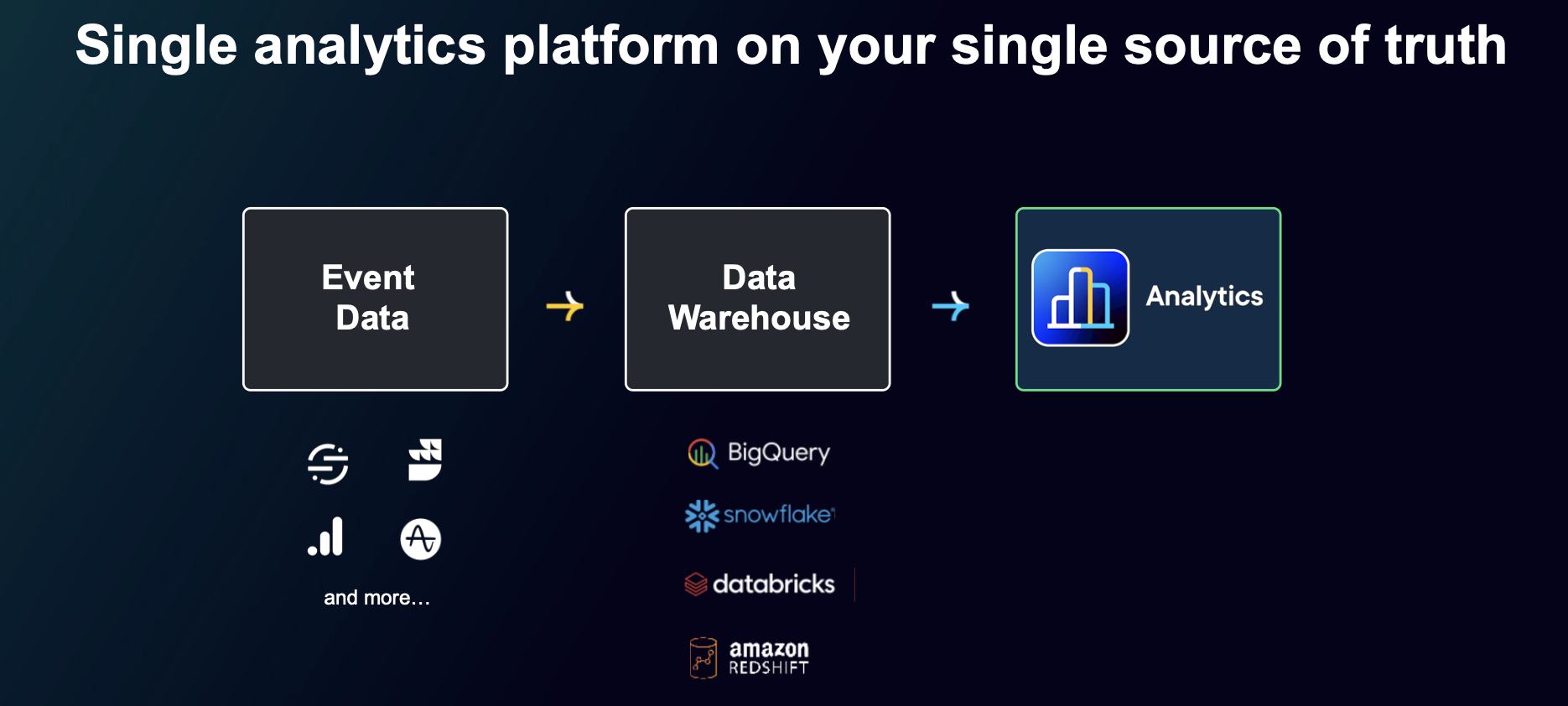
Image source: Optimizely
Ask the vendor: How do you connect with our current stack? The answer involves moving data, the platform is rebuilding the silos you bought it to escape.
Example: Australian Red Cross saw ineffective personalization with siloed data. By tying personalization to donor history pulled directly from their warehouse, they lifted average order value by 37%.
3. Contextual bandits and AI decisioning
What to look for: A decisioning engine that allocates traffic to the best-performing variation per visitor in real time. Contextual bandits that adapt based on visitor signals (location, device, behavior, history) without you writing rules for every combination. Rules-based decisioning available alongside, for the segments you understand and want to control directly.
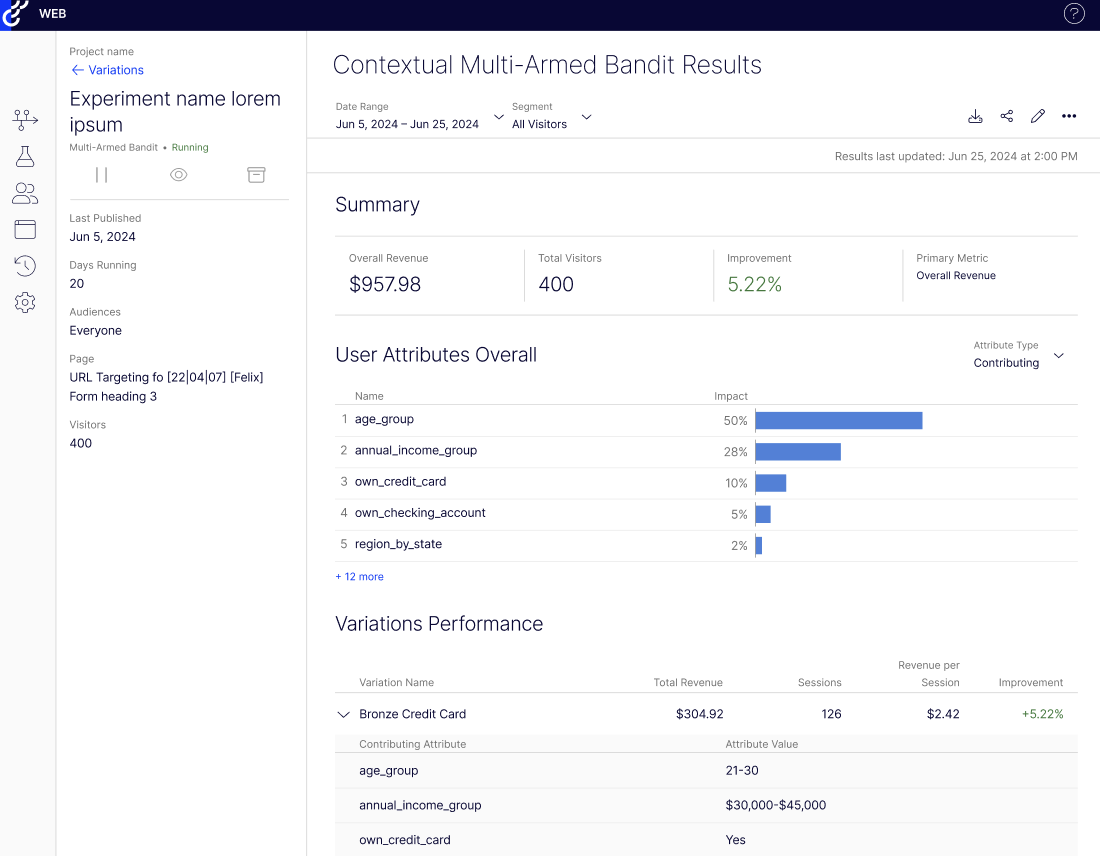 Image source: Optimizely
Ask the vendor: “Personalize for a visitor I haven't pre-segmented.” Give the vendor a hypothetical they didn't prepare for. If the answer requires you to define the segment first, you're buying an inefficient rules engine with a recommendation widget on top.
Example: Calendly needed to personalize at scale across 20 million users without the overhead of writing a rule for every segment. After implementing AI-driven decisioning, every conversion campaign resulted in significant improvements in conversion rate.
4. AI audience creation
What to look for: AI that surfaces behavioral clusters across your data and proposes them as audiences, without you predefining them. The audiences should be testable, editable, and tied to the same decisioning engine you use for rules-based segments.
Ask the vendor: “Show me an audience your platform surfaced that the customer wouldn't have built themselves.” If every example is a demographic segment that a junior marketer could have written, the AI isn't finding anything.
Example: News UK needed to convert more digital readers into paying subscribers. Through personalized checkout and paywall experiences, they drove a 39% lift in subscriptions.
5. Visual editor and AI content variants
What to look for: A visual editor that lets a non-technical user build personalized experiences without code, including variants for hero modules, landing pages, recommendations, and form flows. AI agents that generate content variants from a conversational prompt, in your brand voice, with code that ships clean.
Optimizely is the only platform with a Variation Development Agent that builds personalized content from scratch, using conversational prompts. The output is dev-ready code that doesn't slow your site down.

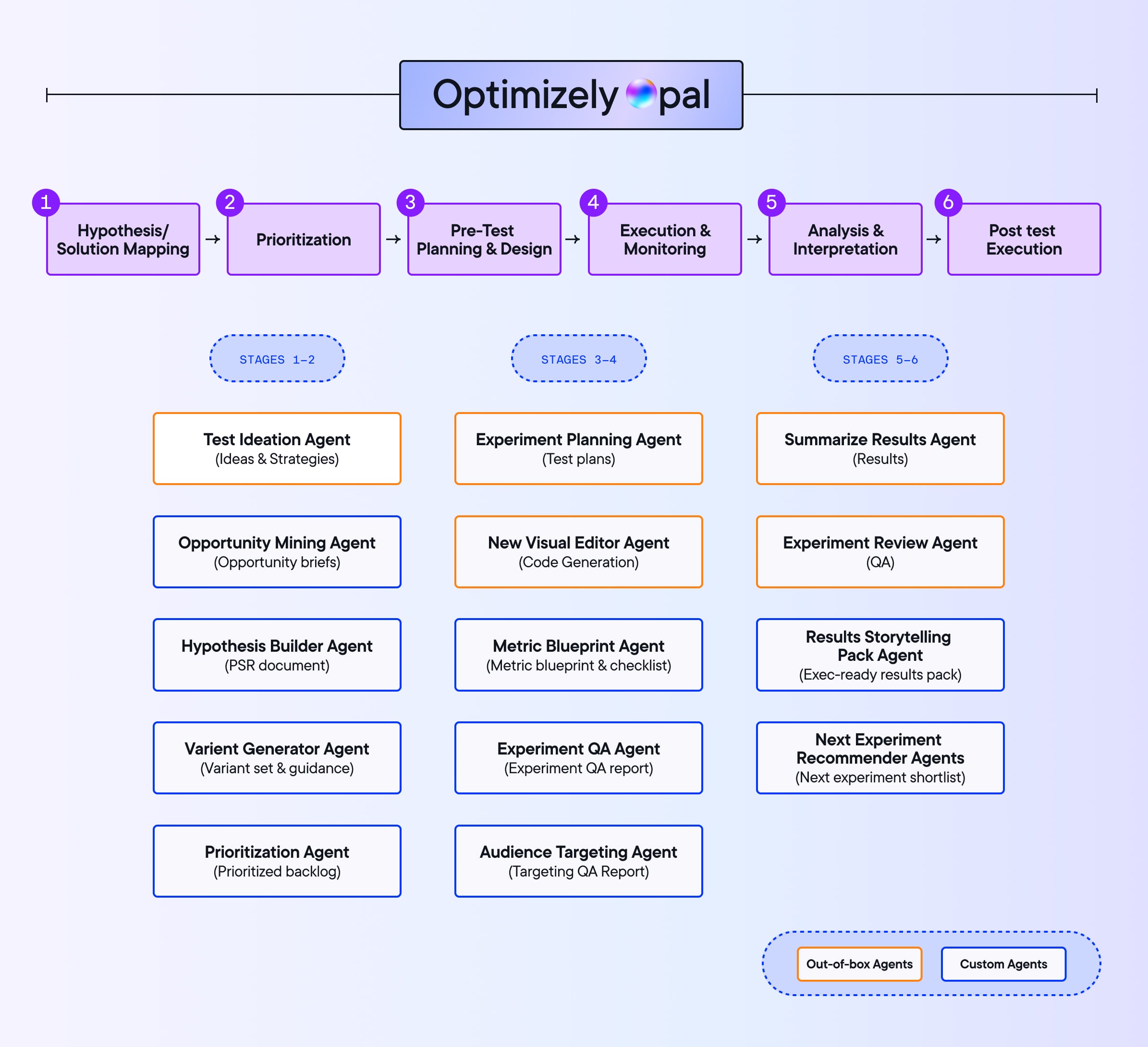 Image source: Optimizely