You're not buying a personalization platform. You're buying the ability to prove personalization worked.
Six months in, the CMO asks what it returned. Click-through rates are up, and a few segments saw real lift. Then, finance asks whether any of that converted to revenue, retention, or lifetime value, and the room goes quiet.
All platforms can serve a flavor of personalization. Few can help you prove it actually worked. What separates them is whether the program you build survives a budget review.
The old taxonomy was rules-based vs. ML-driven, useful when the difference between platforms was actually one or the other. In 2026, every vendor claims ML and AI, so the taxonomy is dead.
Old way: A rule library that grows until nobody can maintain it. Campaigns that look good in demos but can't tell you whether they drove revenue. A measurement layer built on clicks because that's what the platform could measure. Data living in four different tools, reconciled nightly, trusted by nobody.
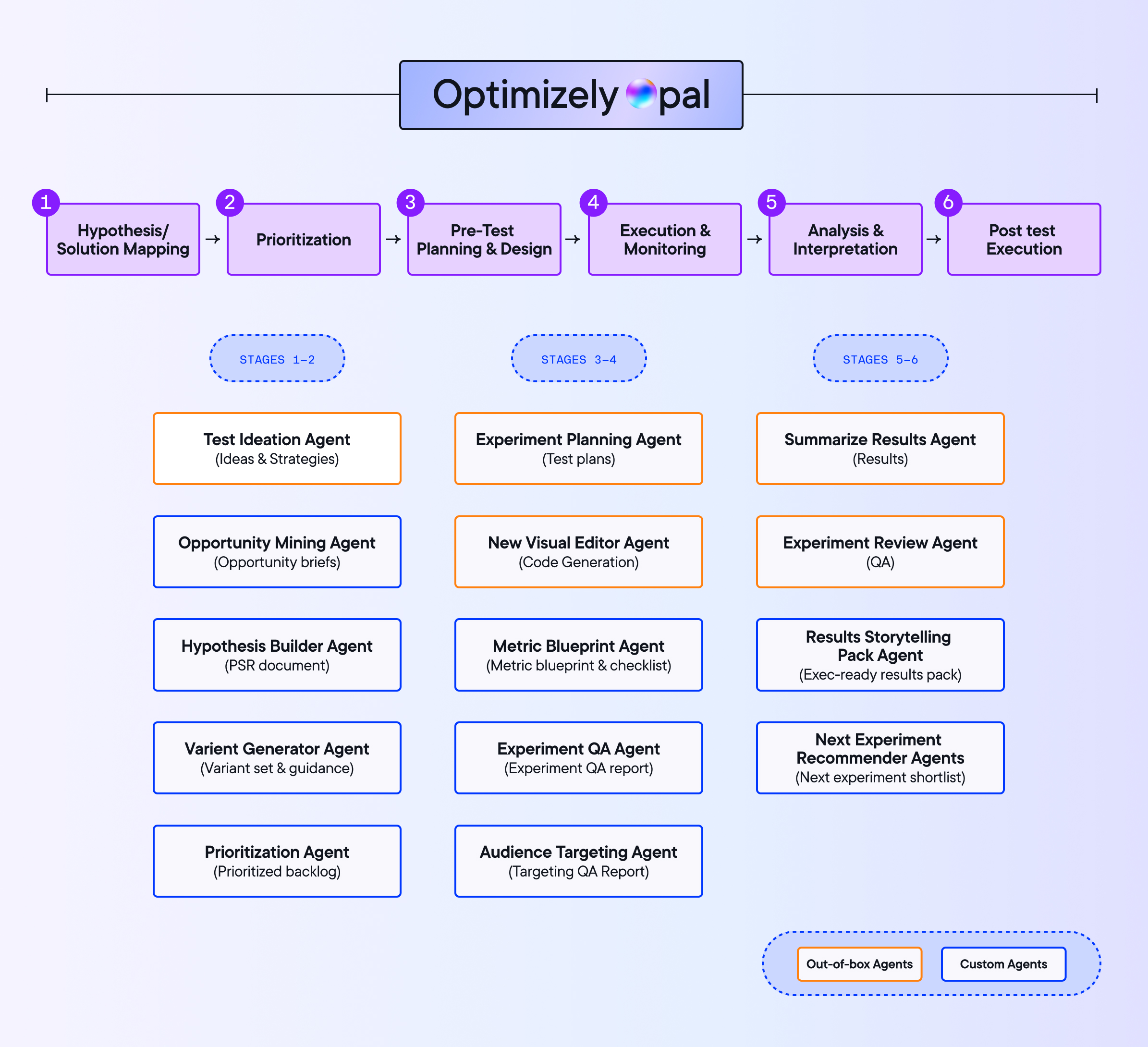
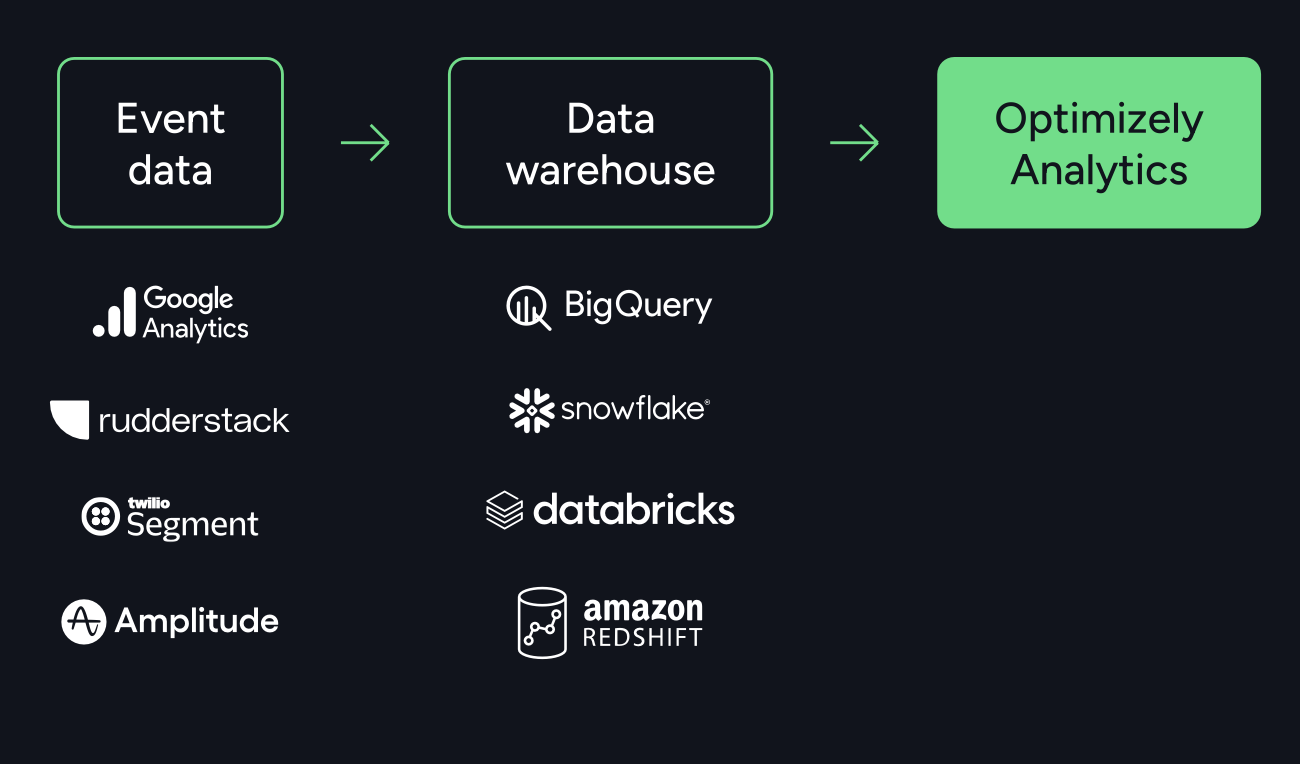
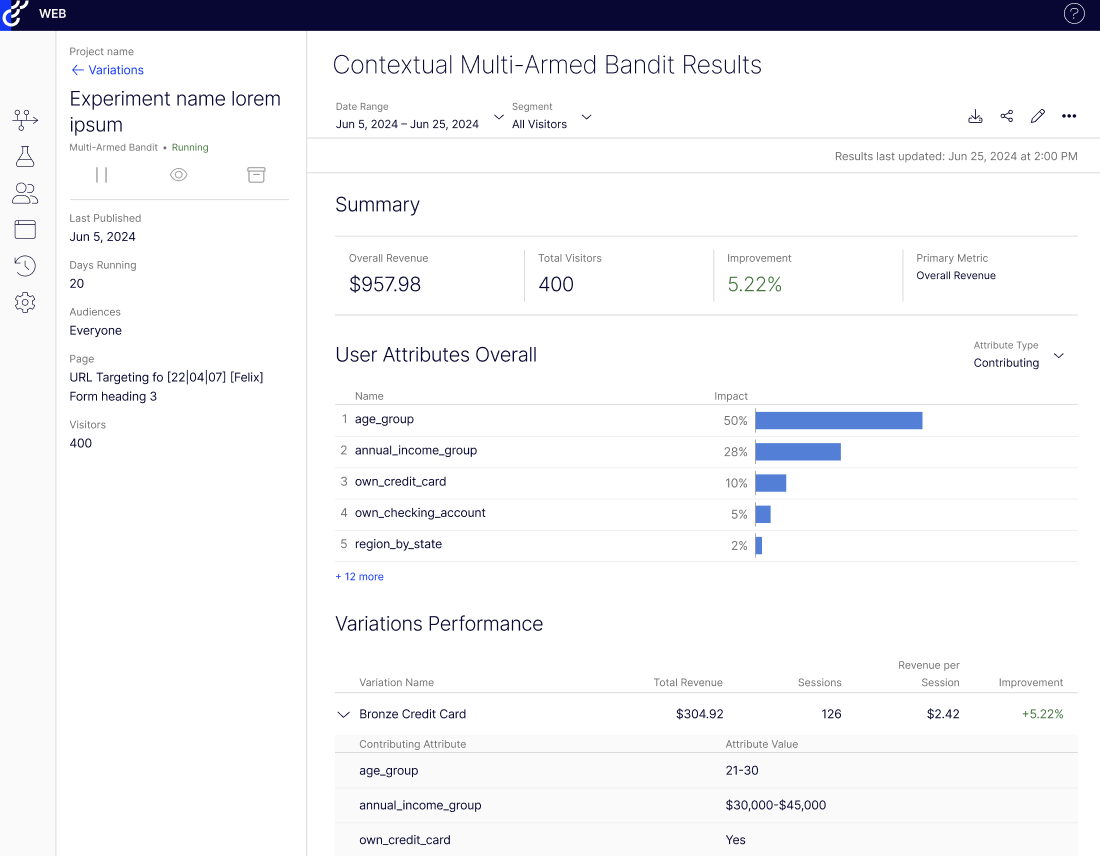
New way: Personalization that decides per visitor without a rule for every case. Audiences surfaced by AI, not defined by hand. Content variants built without a developer queue. A holdback running automatically against every experience, so when finance asks what it returned, you have an answer. Warehouse-native analytics that read directly from the place where your business metrics already live.
Optimizely was built for the new way. Named a Leader in the 2026 Gartner® Magic Quadrant™ for Personalization Engines, for the second year running.