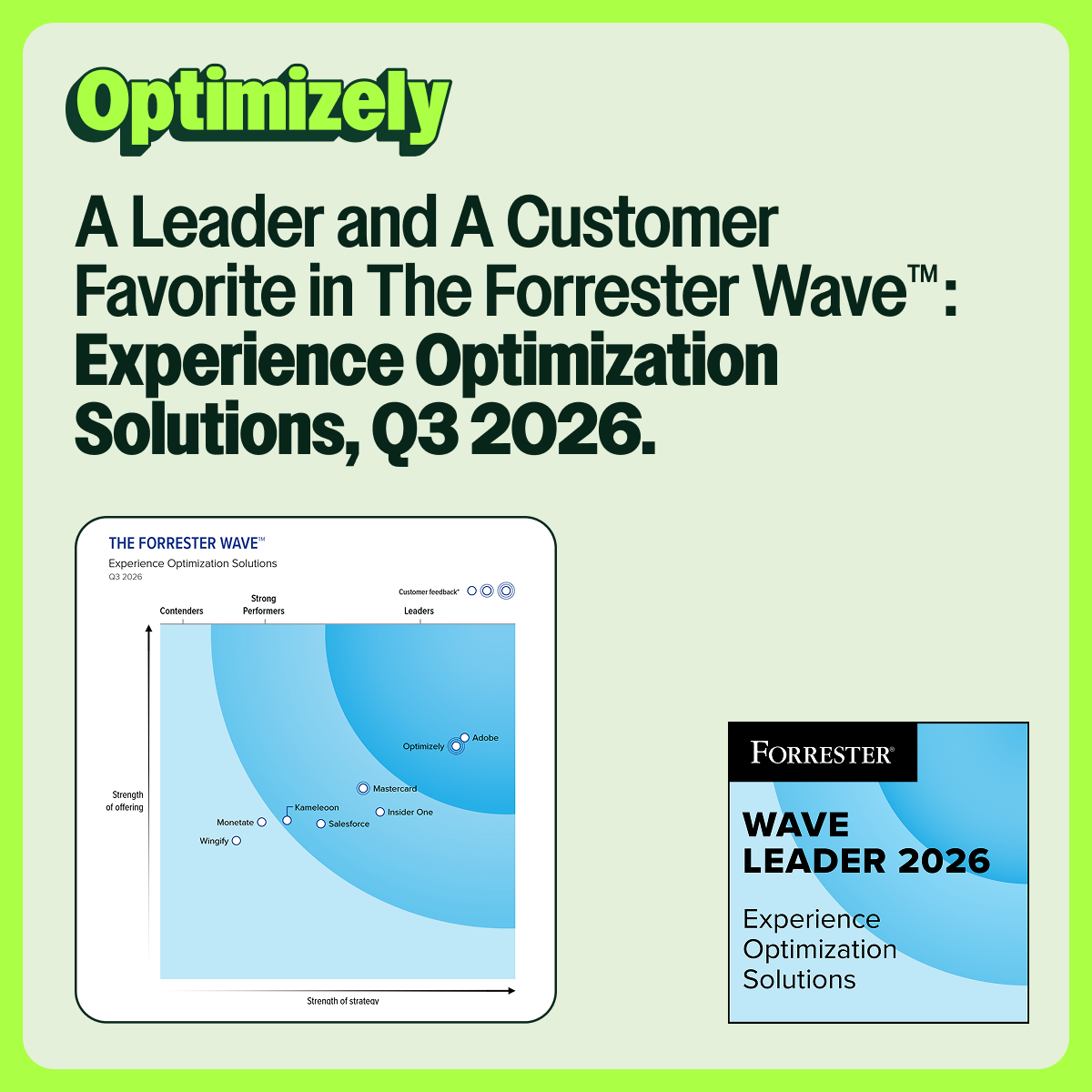
You're shopping for an experimentation platform. Feature lists are overwhelming. Every demo looks impressive.
Most teams focus on the wrong things. They compare features instead of asking whether their organization can handle what the platform will reveal.
Almost every vendor in this category now claims "AI." The question buyers are actually asking has shifted from "can the platform do this?" to "can it do this without a person doing it, and what happens when it gets it wrong?"
This guide shows you what actually matters when choosing an experimentation platform—the questions that predict success, the pitfalls that guarantee failure, and the uncomfortable truths vendors won't tell you.
And we know almost every vendor in this category claims "AI" now, and that stopped being a differentiator a while ago. Buyers have now already seen a basic AI feature bolted onto a tool they use, or watched a vendor overclaim. They aren't asking "what can this do" first. They're asking "is this actually different, and where does it stop?"
Most teams think they're buying an A/B testing tool...
What you're actually buying is your organization's decision-making infrastructure.
Old way: Disconnected tools for web experimentation, feature experimentation, and personalization = siloed insights that don't tie to revenue.
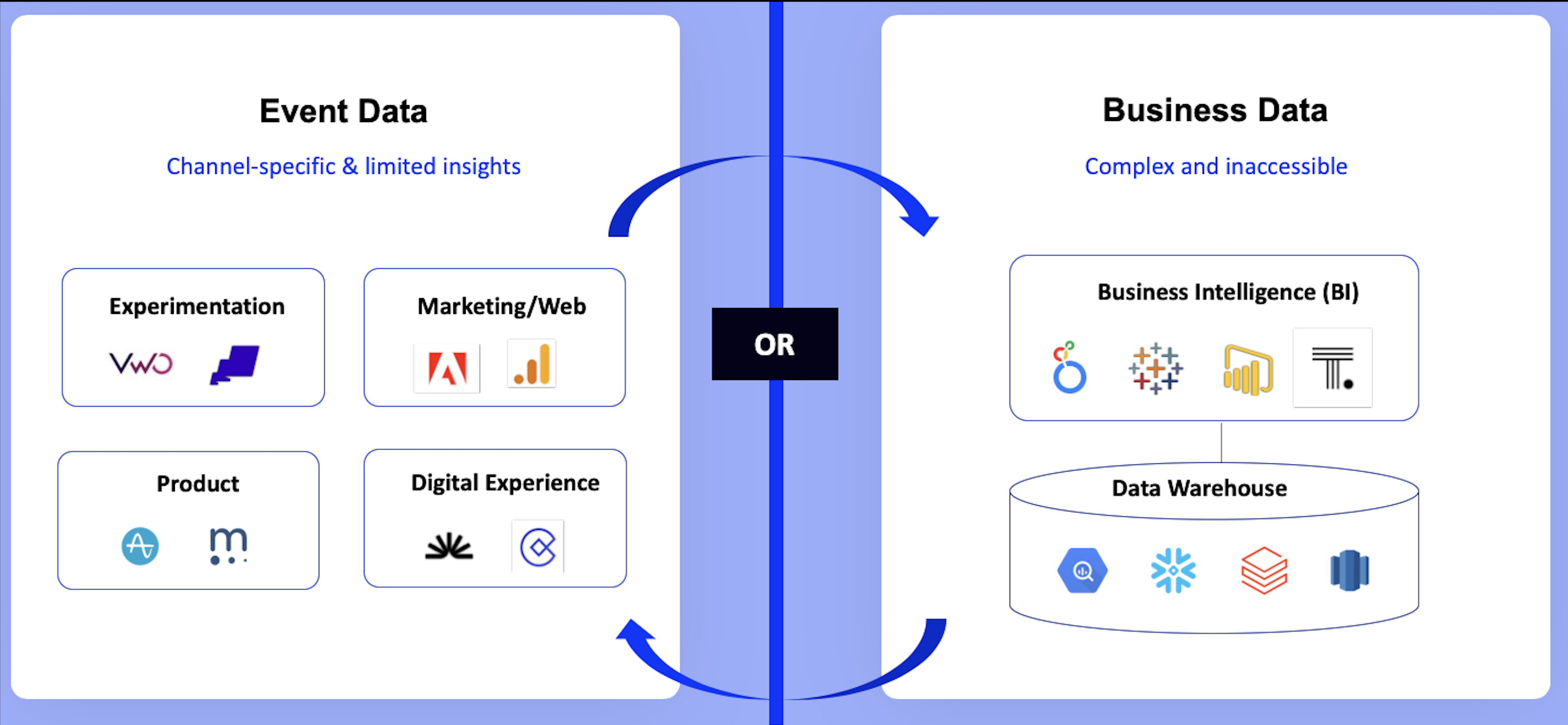 Image source: Optimizely
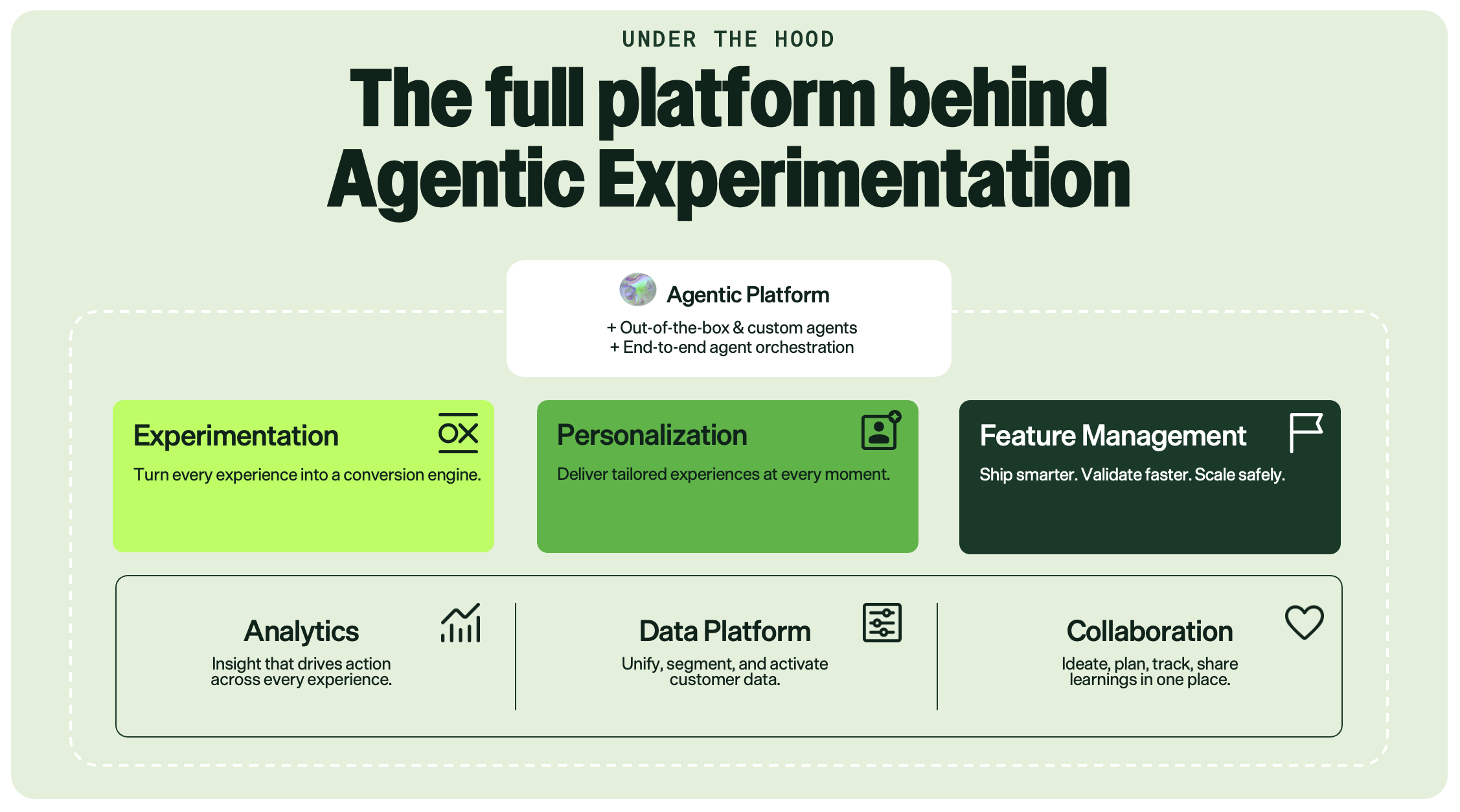 Image source: Optimizely
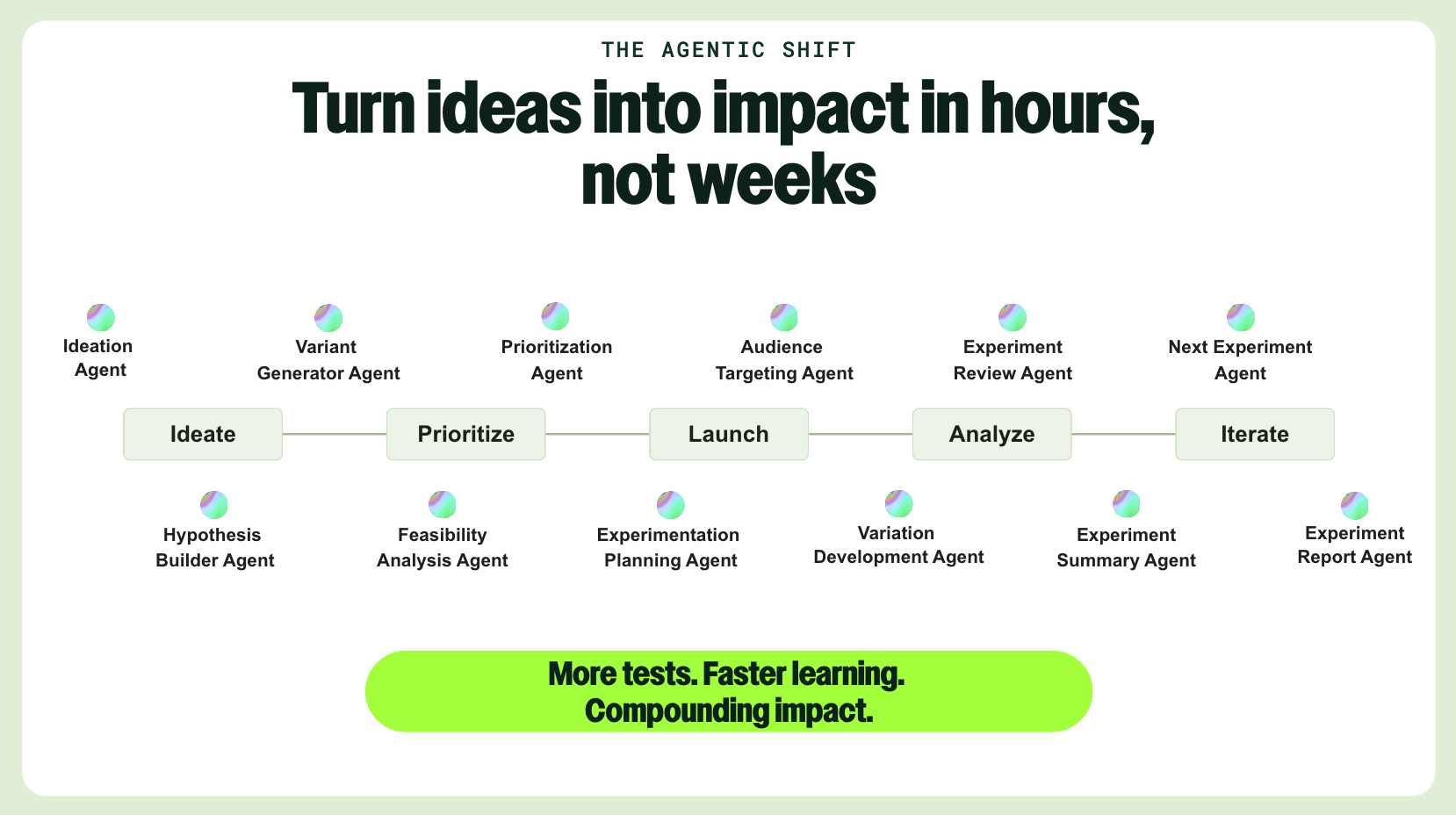 Image source: Optimizely
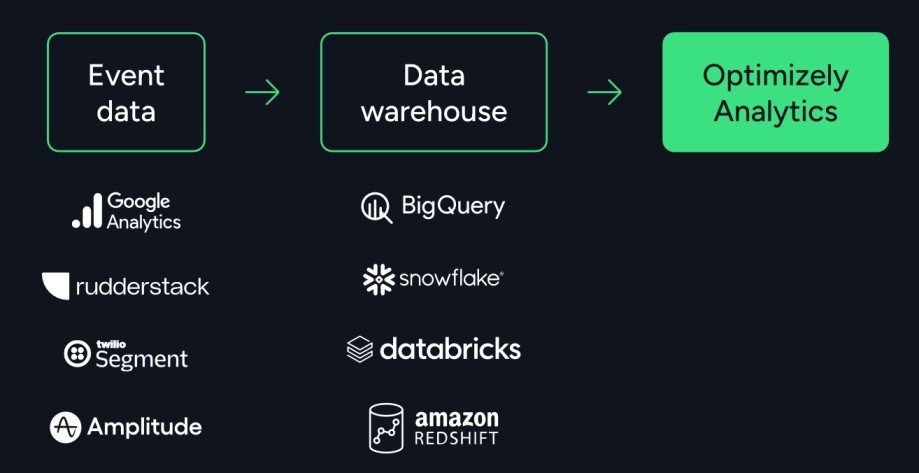 Image source: Optimizely
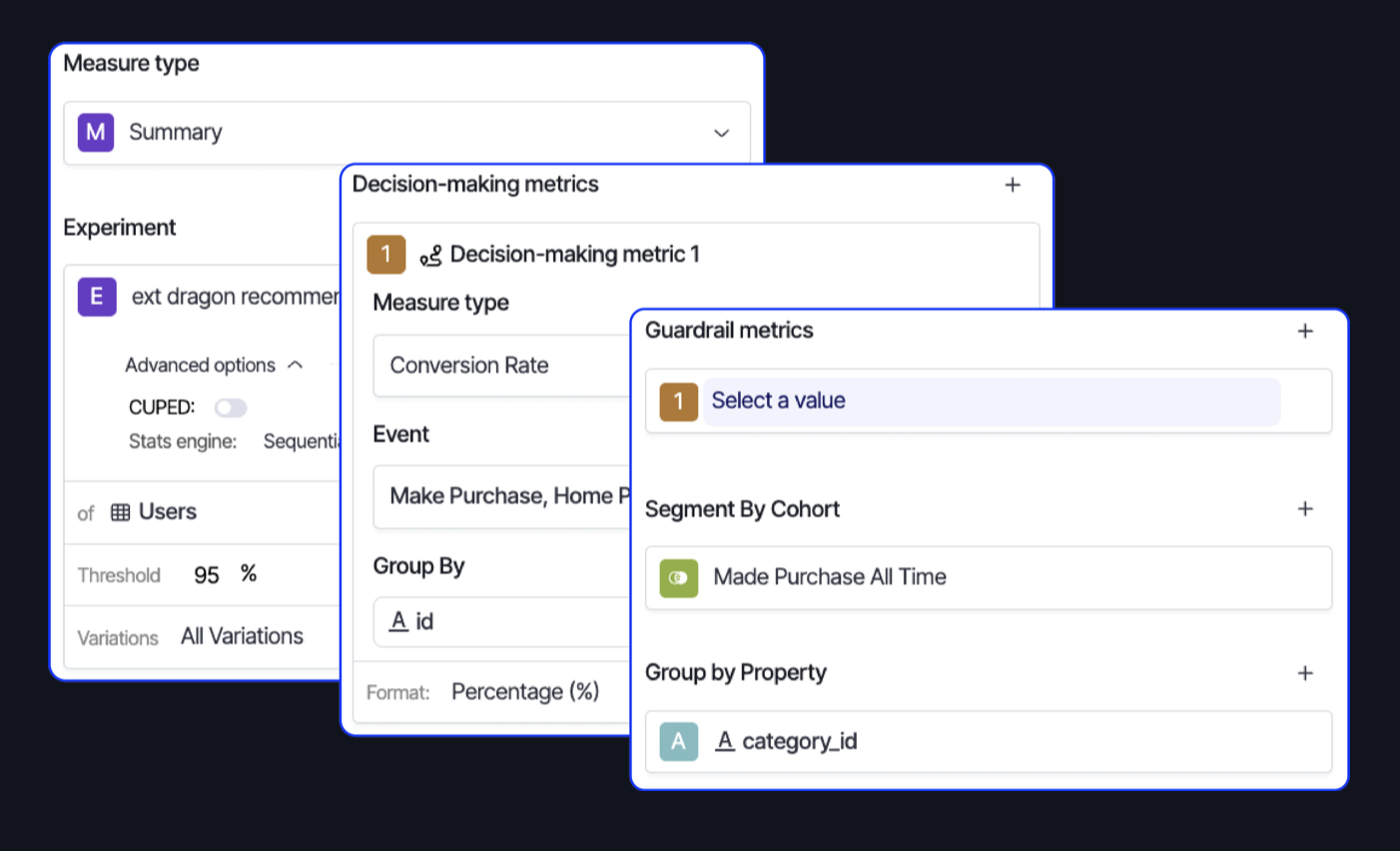 Image source: Optimizely
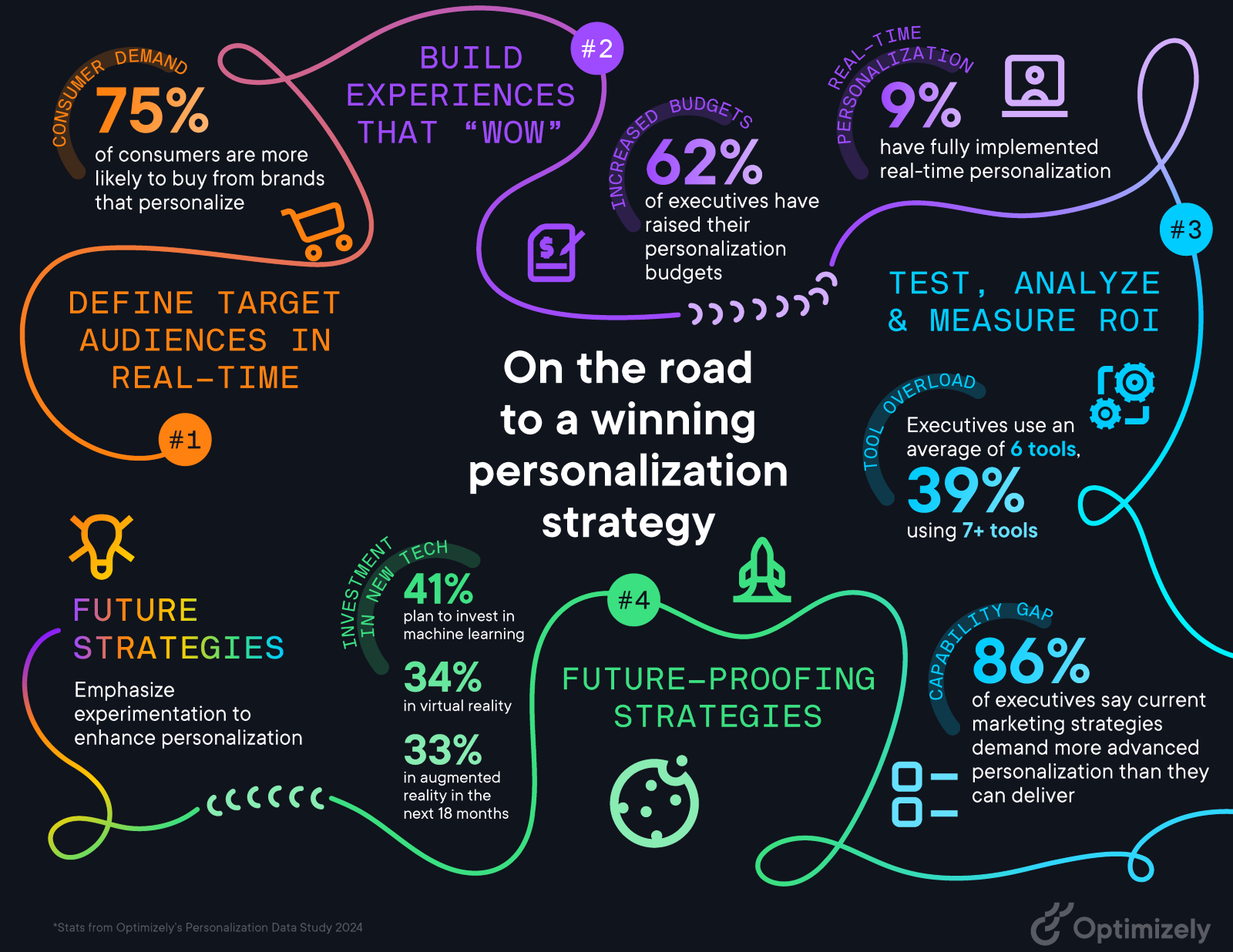 Image source: Optimizely